Few moments in modern life feel as unsettling as hearing a doctor mention rising cholesterol. The conversation often turns to medication, dietary changes, or both, and many people leave the clinic wondering where to start. Plant sterols offer a clear, evidence-based option that blends nutritional common sense with hard science. This report explains how they work, who should consider them, and the practical steps needed to see genuine results.
Fun Fact: Early explorers ground pine pollen into bread, unknowingly adding one of the richest natural sources of phytosterols to their rations.
What Plant Sterols Are and Why They Matter
Phytosterols are plant-based molecules that resemble cholesterol almost perfectly. This near twinship is the reason they can help lower circulating LDL cholesterol. When eaten, sterols travel to the small intestine and compete with dietary and biliary cholesterol for space inside micelles, the tiny carriers that ferry fats into the bloodstream. Because sterols win many of those places, up to half of the cholesterol that would normally be absorbed is instead carried away in waste.
Scientists have catalogued more than 250 phytosterols, yet three dominate everyday diets: beta-sitosterol, campesterol, and stigmasterol. Their hydrogenated relatives, known as stanols, behave similarly but are absorbed even less, making them particularly effective as blockers.
Natural Sources and the Limits of Ordinary Eating
A balanced British diet rich in plant foods delivers roughly 200 – 400 mg of sterols daily. Even an exemplary vegetarian pattern seldom climbs above 700 mg. Clinical trials indicate that the threshold for meaningful cholesterol lowering begins near 1.5 g and levels off at approximately 3 g per day. Achieving that range without help from fortified products is essentially impossible.
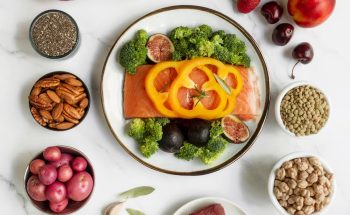
Everyday foods still have value, however. They supply fibre, antioxidants, and healthy fats that work in concert with sterols. Key contributors include:
- Vegetable oils, especially corn, rapeseed, and sunflower
- Nuts and seeds such as almonds, pistachios, and sunflower seeds
- Whole grains, notably wheat germ, rye, barley, and oats
- Legumes like chickpeas and lentils
- Produce heroes including avocados, oranges, broccoli, and Brussels sprouts
Fortified Foods That Deliver a Therapeutic Dose
Because natural intake falls short, food technologists created concentrated carriers. British supermarkets now stock many options. The most popular are mini yoghurt drinks providing the full 2 g dose in a single bottle. Fortified spreads, milks, and full-size yoghurts also work, though they require several servings. Vegan shoppers can find plant-based spreads and soya yoghurt drinks with identical benefits.
Table 1 – Plant Sterol Content in Common Options
| Food | Portion | Approximate Sterols (mg) |
| Almonds | 30 g | 35 |
| Broccoli | 100 g | 40 |
| Corn oil | 1 tbsp | 130 |
| Fortified yoghurt drink | 1 bottle | 1 800 |
| Fortified spread | 10 g | 650 |
Clinical Proof and Real-World Benefit
Dozens of randomised controlled trials confirm that a daily intake of two grams of sterols cuts LDL cholesterol by eight to ten percent within three weeks. A landmark meta-analysis of fifty-nine studies involving more than 4 500 adults reported an average reduction of 0.31 mmol ⁄ L. Results improve further in those who begin with higher baseline cholesterol or who split their dose across two or three meals.
Crucially, sterols and statins operate on separate pathways. Statins limit cholesterol production in the liver, while sterols block absorption in the gut. When used together they provide an additive effect, a finding endorsed by several cardiology guidelines.
Health Authority Positions
- European Food Safety Authority permits a formal claim that sterol-enriched products lower blood cholesterol when they deliver 1.5 – 3 g daily.
- British Heart Foundation and HEART UK advise adults with raised cholesterol to aim for roughly 2 g daily, stating that sterols can be combined safely with medication.
- NHS trusts publish practical sheets explaining how to incorporate spreads or yoghurt drinks into routine meals.
Managing Expectations about Heart Events
High LDL cholesterol is a well-established risk factor for heart attacks and strokes. Lowering it logically cuts risk, yet no large-scale trial has followed sterol users for long enough to record definite reductions in cardiovascular events. For that reason, the National Institute for Health and Care Excellence lists sterols as helpful. Still, it does not recommend them as a standalone preventive therapy. They are best viewed as part of a broader strategy built on diet, exercise, and, where indicated, medication.
How to Hit the Two Gram Target Each Day
A straightforward way to achieve a therapeutic intake is to base meals around whole foods and add one fortified product at lunch or dinner.
- Breakfast – Porridge made with oats, berries, and walnuts
- Lunch – Mixed bean salad with wholemeal toast brushed with 10 g of sterol spread (≈ 0.7 g sterols)
- Dinner – Grilled trout, steamed greens, and a 120 g pot of fortified yoghurt (≈ 1.4 g sterols)
Total: approximately two grams, with no radical menu changes. Consuming the spread and yoghurt at separate meals ensures sterols are present whenever cholesterol enters the gut.
Who Should and Should Not Use Sterol Products
Research shows sterols are safe for healthy adults, with only minor digestive complaints reported occasionally. One rare genetic disorder, sitosterolaemia, prevents normal excretion of sterols and is a strict contraindication. Caution is advised for pregnant or breastfeeding women and for children under five, unless under the guidance of a specialist, as their growth needs differ.
People taking cholesterol-lowering medication should inform their GP before adding fortified foods, mainly to coordinate dosage and monitoring.


Complementary Nutrients for a Stronger Outcome
Sterols are more effective when they share the plate with:
- Soluble fibre from oats, barley, apples, and beans, which traps bile acids and encourages cholesterol clearance
- Omega-3 fatty acids from oily fish, flaxseed, and walnuts, known to lower triglycerides and soothe inflammation
- Antioxidant-rich produce such as deep-coloured berries and leafy greens, which limit oxidative stress that can damage arteries
Together these elements form a dietary portfolio that tackles lipids, inflammation, and oxidative damage in one coherent pattern.
Plant Sterols and a Science-Led Detox Lifestyle
“Detox” evokes images of juice fasts and quick fixes, yet true cleansing is a continuous and internal process. The liver converts waste for removal, the gut and kidneys expel it, and every cell relies on nutrients that keep these systems humming. Within this picture, plant sterols fit naturally. Their cholesterol-blocking action lightens the load on bile production, and emerging research suggests broader benefits for liver health. A year-long trial on non-alcoholic fatty liver disease found a nineteen percent fall in liver fat among volunteers taking water-dispersible sterols, alongside drops in triglycerides and inflammatory markers. Scientists suggest sterols may prompt the liver to move excess fat into bile and out of the body, a tidy boost to its daily housekeeping.
Calming Inflammation and Supporting the Microbiome
Modern chronic illness often begins with silent, low-grade inflammation. Laboratory studies show that phytosterols can reduce pro-inflammatory signals, and animal models link them to decreased oxidative stress. Human data are early but encouraging, aligning with a growing view that diet should soothe, not spark, the immune system. Gut bacteria add another layer. Fermentation experiments reveal that sterols alter microbial balance, nudging populations toward species linked with resilient digestion. Combined with soluble fibre, sterols bind bile acids, helping carry unwanted compounds away. For anyone pursuing a healthy cholesterol diet that doubles as a gentle cleanse, these interactions strengthen the case for sterol-rich foods.
Safety and Population Considerations
Multiple safety reviews confirm that sterols are well-tolerated. Mild digestive upset is rare and typically resolves on its own. One inherited condition, sitosterolaemia, prevents proper sterol clearance and makes enrichment inappropriate, but this disorder affects only a few families worldwide. Pregnant or breastfeeding women, and children under five, should use sterol products only if advised by a qualified clinician, since their cholesterol requirements differ during growth and development. Research also notes a slight decline in beta-carotene absorption; consuming colourful produce cancels this effect. Vegan shoppers will find spreads and soya drinks that carry the same sterol dose as dairy versions, while plant sterol tablets offer a portable choice for travellers.
How Sterols Compare with Other Cholesterol Strategies
| Strategy | Mechanism | Typical LDL drop | Outcome evidence | Key caution |
| Plant sterols | Block intestinal absorption of cholesterol | 8–12 percent | Risk reduction inferred through lipid change | Avoid in sitosterolaemia |
| Statins | Curb cholesterol production in the liver | 20–30 percent or higher | Large trials prove fewer heart attacks and strokes | Muscle pain in some users, liver monitoring required |
| Soluble fibre (oats, psyllium) | Traps bile acids for excretion | 4–7 percent | Supports glycaemic control and gut health | None when taken with adequate fluid |
| Soy protein | May raise liver LDL receptor activity | 5–6 percent | Plant-based protein boosts portfolio diets | Choose unsweetened products |
| Garlic | Mechanism unclear, evidence mixed | Modest if any | Limited high-quality data | May interact with blood thinners |
| Red yeast rice | Supplies monacolin K, identical to a statin | Highly variable | Same side-effects as prescription statins | EU now restricts dose because of safety worries |
This comparison shows why clinicians often combine approaches. A person on statins can add sterol-fortified foods to gain an extra ten percent reduction, while also embracing fibre-rich meals that support cardiovascular health in ways beyond lipids alone.
Action-Focused Summary
- Proven effect: Two grams of sterols daily cut LDL cholesterol by roughly ten percent within three weeks.
- Whole-diet synergy: Pair sterols with oats, legumes, nuts, oily fish, and bright produce to maximise cholesterol management and anti-inflammatory impact.
- Practical dosing: One mini yoghurt drink or a measured trio of spread servings delivers the target amount. Consume with main meals to out-compete cholesterol in the gut.
- Safety first: Consult a GP before making major changes, especially if you are taking lipid-lowering medications. Ask for a blood test if over forty or if family history raises concern.
Choosing sterol-fortified foods is less a fad than a quiet upgrade, like fitting a well-designed filter to a water tap. The flow keeps running, yet unseen impurities fall away, lightening the heart’s workload over the years ahead. As the old English saying goes, “Many drops make a mighty ocean.”