In 2025, super teas have moved from a niche obsession to an everyday tool for people who want sharper focus, steadier energy, and a gentler way to support gut and liver health. The key truth is simple. No tea can “flush toxins” out of a healthy body overnight. Yet, some carefully chosen infusions can support a balanced detox diet, help you cut back on ultra-processed drinks, and make healthy recipes feel more satisfying.
This report reframes London’s luxury tea culture for real life. It explains what matcha, Gyokuro, Pu’erh, Silver Needle white tea and Moringa can and cannot do for detox and weight management, where the science actually sits, and how to bring their benefits into a typical UK week, from office days to Sunday batch cooking.
You will see where the evidence is strong, where it is mainly based on animal or lab studies, and where marketing has run well ahead of the data. You will also find practical ways to use super teas as part of detox recipes, not as a quick fix, and clear prompts on when to speak to a GP or registered dietitian before changing your routine.
How Safe Are Super Detox Teas Really
Super teas are safest and most effective when you treat them as one small piece of a broader healthy eating pattern, not as a shortcut that replaces sleep, movement or a varied diet. For most healthy adults, 2 to 4 unsweetened teas a day can fit comfortably into a balanced lifestyle, as long as you keep an eye on caffeine intake and avoid highly concentrated supplements.
UK dietitians and heart health charities are clear that the body already detoxifies itself through the liver, kidneys and gut, and that restrictive “detox diets” and quick-fix detox teas are unnecessary and sometimes harmful. They recommend focusing on plenty of vegetables, fruit, wholegrains, lean protein, and healthy fats, and cutting back on alcohol, salt, free sugars, and ultra-processed foods, rather than relying on cleanses or slimming teas.
Health agencies across Europe and the UK suggest that up to around 400 mg of caffeine a day from all sources is a reasonable upper level for most adults, with 200 mg or less advised in pregnancy. That can still leave room for several cups of green or black tea, plus perhaps a coffee, but strong matcha, Gyokuro, or Pu’erh can add up. People with heart conditions, anxiety, insomnia, uncontrolled high blood pressure or on certain medications should take extra care and discuss caffeine intake with their clinician.
There is another important safety line. Many of the more dramatic claims around detox teas relate to concentrated extracts in pills or shots rather than normal brewed tea. Several reviews highlight that high-dose green tea extracts have occasionally been linked with liver stress, particularly when taken in large amounts for weight loss over long periods. Food first, brewed infusions remain the safer starting point.
For the detox-diet reader, the safest rule is this. Let tea help you replace sugary drinks and support better habits, but do not push dose, duration or restriction so hard that your body becomes a testing ground for supplements instead of a home.
Green Super Teas Matcha And Gyokuro For Calm Focus
Matcha and Gyokuro are shade-grown Japanese green teas prized in London for their high L-theanine and catechin content, which can support calm focus and metabolic health when paired with an overall healthy eating pattern. They are not a cure for stress or weight gain, but they can be a strategic swap for syrups and energy drinks.
Both teas are grown in the shade for several weeks, which increases chlorophyll, amino acids, and some antioxidant compounds. Matcha is ground into a fine powder, so you consume the whole leaf rather than a water extract. Gyokuro is brewed as whole-leaf tea at cool temperatures to preserve its almost broth-like umami.
Human trials suggest that the combination of L-theanine and caffeine can improve attention, reaction time, and accuracy on demanding cognitive tasks. They may reduce mental fatigue for a few hours. These effects are modest but real, and help explain why ceremonial-grade matcha shots now sit alongside double espressos in many London work routines.
Green tea catechins, particularly EGCG, have also been studied for weight management. Recent systematic reviews in adults with overweight or obesity show that green tea extracts can produce small reductions in body weight, BMI, waist circumference and triglycerides, particularly when combined with regular exercise. These are not dramatic changes, and high-dose extracts rather than simple cups of tea are usually involved, but they suggest a supportive role for green tea as part of a multi-layered approach to weight and metabolic health.
In London, this science underpins a refined culture around matcha and Gyokuro. Tea houses such as Katsute 100 in Islington and Brick Lane focus on single-cultivar ceremonial matcha, served in wide bowls, highlighting bright colour, fine foam and deep umami. Specialist venues and hotel patisseries frame iced matcha lattes or neat Gyokuro pours as alternatives to champagne in afternoon tea. The wellness logic is straightforward. You still enjoy something luxurious, but you gain antioxidants and amino acids instead of alcohol and refined sugar.
If you are making matcha at home, aim for 1 to 2 grams of high-quality powder whisked with hot but not boiling water or warmed milk, and avoid stacking multiple strong portions throughout the morning. For Gyokuro, brew a small amount of leaf at around 50–60°C for short infusions to minimise bitterness and keep caffeine manageable.
Dark Pu Erh For Gut And Liver Support
Pu’erh, a fermented tea from Yunnan, is increasingly marketed as a deep detox drink and post-feast essential. The reality is more nuanced. The fermentation process produces unique pigments called theabrownins, and a series of animal and early human studies suggest these compounds can support cholesterol metabolism, liver fat reduction and a healthier gut microbiota, but they are not a stand-alone treatment for fatty liver or high cholesterol.
Recent work has shown that the brownin-rich extracts from dark teas can modulate gut bacteria, improve bile acid handling and lower blood lipids in rodents on high-fat diets, with knock-on benefits for liver fat and inflammatory markers. A Nature Communications study also reported that brownin altered gut microbiota in mice and humans in ways that supported cholesterol-lowering. These findings fit with the traditional Chinese view that Pu-erh “cuts grease” after rich meals.
In London, serious tea shops such as Mei Leaf in Camden or Postcard Teas in Mayfair build tasting flights around young and aged Pu’erh, often brewed Gong Fu style in small clay pots. For the detox-diet audience, the value lies less in the mystique of rare cakes and more in what Pu’erh can replace. A small pot of earthy, slightly smoky tea after a heavy restaurant meal can be a satisfying ritual in place of a second dessert wine or liqueur, delivering hydration, polyphenols and a small amount of caffeine rather than extra sugar.
At home, 1 teapot of ripe Pu’erh after your main meal, a few evenings a week, is a sensible starting point. Keep an eye on caffeine intake if you are sensitive, and remember that most of the research uses controlled extracts in animals. Pu-erh can complement, not substitute, evidence-based care for liver health, high cholesterol or fatty liver disease.
White Tea For Skin And Gentle Detox Support
White teas such as Silver Needle are often described as the most delicate of the super teas, aimed at people who want antioxidant support without a hard caffeine hit. They are picked as tender buds and minimally processed, which preserves a high level of flavonoids and other polyphenols.
Laboratory models and recent experimental work suggest that white tea extracts can reduce oxidative stress, inflammation and unfavourable blood lipids in cardiovascular disease models, and may protect skin cells from UV-related damage and immune suppression. These findings support the idea of white tea as an “edible skincare” ally, although robust human trials on wrinkle depth or pigmentation are still limited.
On the tongue, Silver Needle is light and sweet, with notes of melon, cucumber and blossom rather than the grassiness of green tea. High-end hotels such as Claridge’s, working with specialist importers, now highlight white teas like Malawi Antler or Fuding Silver Needle alongside champagne on afternoon tea menus. From a detox perspective, that shift matters. Guests have a credible, lower-caffeine, antioxidant-rich option that still feels special enough for a celebration.
For daily life, white tea makes a strong case as an evening drink. It supplies polyphenols without the same caffeine load as strong matcha or Gyokuro and pairs easily with healthy recipes such as lightly grilled fish, grain salads or fruit-based desserts. Brew at around 80°C for 3 to 5 minutes to avoid flattening the flavour.

Moringa And Functional Botanicals In Modern Detox
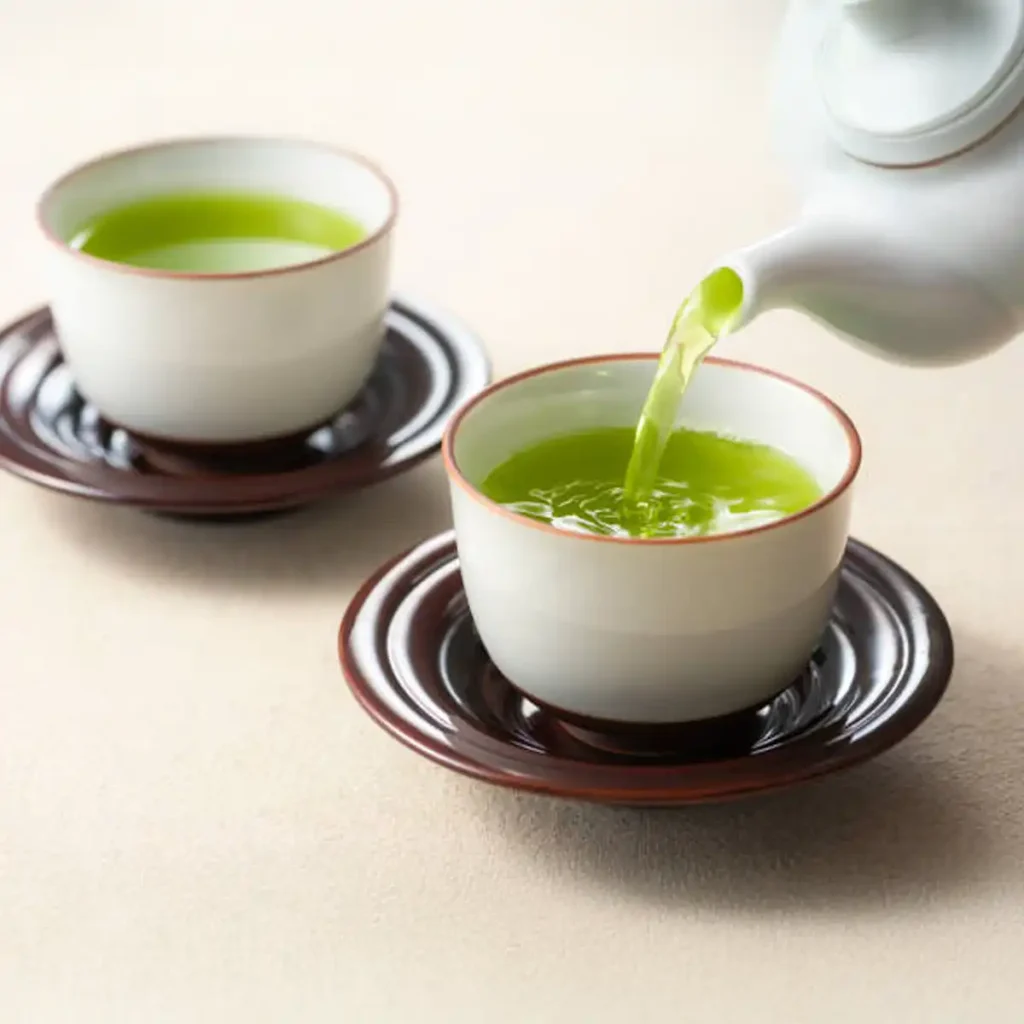
Moringa, turmeric blends, hibiscus and rooibos sit at the frontier where tea culture meets functional medicine. These are tisanes rather than traditional Camellia sinensis teas. Yet, they are central to London’s 2025 detox conversation because they offer benefits without caffeine and can easily fold into a whole-food detox diet.
Moringa in particular has attracted scientific interest. Its seeds and leaves contain isothiocyanates, including MIC 1, which activate the Nrf2 pathway, a master regulator of many antioxidant and detoxification enzymes. In animal and cell models, Moringa isothiocyanates have shown promising effects in reducing oxidative stress and inflammatory markers across several organs, including the liver. These results make biological sense of Moringa’s reputation as a “liver-friendly” plant, although large human trials are still sparse.
In London, you see this science translated into spa menus and plant-based restaurants. Moringa infusions appear in places such as The Organic Pharmacy’s treatment lounge or Notting Hill’s Farmacy high tea, often blended with ginger, lemon, or other botanicals in drinks that are sugar-free, dairy-free and aligned with stricter detox protocols. Rooibos and hibiscus are also popular, offering hydration, flavour and antioxidant flavonoids without caffeine, with hibiscus studied for modest blood pressure-lowering effects.
For home use, these botanicals are best thought of as supportive flavours that help you enjoy water-rich drinks more often. A Moringa, lemon, and fresh mint infusion between meals, or a warm turmeric-ginger tisane after a cold walk, can gently nudge your day towards better hydration and a lower reliance on sweetened beverages.
How To Choose Super Teas In London And Online
Finding genuinely beneficial super teas is as much about sourcing as it is about style. The leaves that underpin Claridge’s tea book or Mei Leaf’s tasting flights are carefully grown, stored and brewed. You do not need a hotel budget to capture that quality, but you do need to pay attention to provenance.
Look for merchants who name the farm, region and harvest season on the packet and who sell loose leaf rather than flavoured dust in teabags. Specialist shops such as Postcard Teas in Mayfair or Mei Leaf in Camden are good examples. They often source from small producers, keep stock in cool, dry conditions and focus on unscented teas where you taste the leaf, not just added flavouring.
For matcha, a vivid green colour, fine texture and a smooth, umami-heavy taste without harsh bitterness all signal better quality. For Pu erh, avoid extremely cheap “aged” cakes from unknown sellers, as these may be poorly stored or mislabelled. With Moringa and herbal blends, check that brands test for contaminants and do not hide sugar or syrup under “natural flavour” on the label.
At supermarket level, you can still improve your daily detox recipes by trading ordinary teabags for a small tin of loose green, white or oolong tea and a simple infuser. You gain more intact leaves, more nuance and, in many cases, more polyphenols.
Simple Super Tea Rituals And Healthy Recipes At Home
The easiest way to bring super teas into a detox-friendly routine is to tie them to small, repeatable rituals that support better choices all day. Think of each tea as a cue for a particular behaviour or healthy recipe, not as a task on its own.
In the morning, swap a syrupy latte for a homemade matcha oat latte. Whisk 1 to 2 teaspoons of ceremonial-grade matcha into a splash of cool water, then top with warm, calcium-fortified oat milk and a spoonful of ground flaxseed. You gain fibre, plant omega-3s 3s and a controlled caffeine dose that supports calm focus rather than spikes.
Around lunchtime, especially on office days, a pot of Gyokuro or standard green tea, alongside a grain bowl or soup, can serve as a psychological break from grazing on biscuits. In the evening, a small Gong Fu style session with ripe Pu’erh after a richer meal can become a mindful alternative to another glass of wine, helping you notice fullness and stop eating earlier.
For caffeine-free evenings, a tall glass of cold-brewed white tea with hibiscus and slices of orange in the fridge offers a bright, slightly fruity drink that fits easily into detox recipes for guests. Simply steep 2 teaspoons of white tea and 1 teaspoon of hibiscus in cool water in the fridge for 4 to 6 hours, then strain and serve over ice.
Fun fact: In typical UK eating patterns, tea is the main dietary source of flavonoids, so upgrading your daily brew can significantly influence your overall intake of antioxidant plant compounds.
Moringa can join your cooking rather than sitting only in a cup. A squeeze of Moringa infusion into a light vegetable broth, or a side cup of Moringa, ginger and lemon with a plant-based detox recipe such as lentil stew, turns a simple meal into a coherent “supportive” ritual without adding calories.
What This Means For Your Detox Diet
The direction of travel in London’s tea culture is unmistakable. From Mayfair hotels pouring Silver Needle in jade-striped china to Camden tea houses calibrating the exact leaf-to-water ratio for Gushu Pu’erh, tea is being treated as seriously as wine. For the detox-diet audience, the opportunity is to borrow the rigour without adopting the price tag or the hype.
Current evidence suggests that green teas rich in catechins, dark fermented teas such as Pu’erh, delicate white teas and botanicals such as Moringa can all play functional supportive roles in a detox diet. They can replace sugary drinks, modestly support weight management, offer antioxidant and anti-inflammatory compounds and provide calming rituals that help you stick to your broader habits. At the same time, both NHS and dietetic guidance are clear that no tea, however rare or expensive, can undo an unbalanced diet, heavy drinking or chronic sleep deprivation.
A practical next step is to choose 2 or 3 specific super teas that match your life. For example, a morning matcha to support focus, an afternoon white tea to protect sleep, and an evening Pu’erh or Moringa blend to accompany your main meal. Build 1 or 2 detox recipes around each, such as a weekly batch of wholegrain salad to eat with green tea, or a weekend vegetable traybake paired with hibiscus.
If you have liver disease, heart disease, are pregnant, breastfeeding or taking regular medication, discuss any significant increase in strong teas or herbal blends with your GP or a registered dietitian first. They can help you check for interactions and set safe limits, particularly around caffeine and concentrated extracts.
In a world saturated with aggressive supplements and restrictive detox plans, super teas offer a quieter, more sustainable path. They naturally fit into long-standing UK tea habits, work best alongside whole foods and movement, and invite you to pause at intervals throughout the day. As with the proverb that “little by little, a little becomes a lot”, it is the consistent pattern of these small, thoughtful choices that moves the needle on health, not a single miraculous cup.