Diverticulitis is often portrayed as a sudden ambush. Yet, for many people, it begins as a subtle architectural quirk within the colon. One morning you may be enjoying breakfast without a second thought; the next, abdominal pain and anxiety about every mouthful take centre stage. This feature cuts through that uncertainty by translating complex research into practical and compassionate insights. We start with the basics—what the condition is, why it develops, and how smart nutrition can shift the odds in your favour—then move on to a recovery plan that returns control to the dinner plate.
A neighbourly warning: Google search results can feel like a maze of contradictory rules. Some sites promote strict food bans, while others say “eat what you like.” The truth, drawn from robust UK studies and NHS practice, sits in between. By the end of this two-part series you will understand why a phased approach, rather than blanket restrictions, protects the gut far better than fear or fad.
Fun Fact: By the age of 80, around two-thirds of Britons have pouches in the lining of their colon, yet most will never be aware of this without a scan. Silent, yes, but not always harmless.
Understanding Diverticular Conditions and Their Progression
A single vocabulary mix-up can send well-meaning patients into a spin, so clarity matters. Four medical terms describe a journey from harmless colon “pockets” to painful inflammation.
- Diverticula
- Small, permanent outpouchings—usually about one centimetre wide—most common in the sigmoid colon on the lower left side.
- Diverticulosis
- The silent stage in which diverticula exist without symptoms. Roughly half of adults reach this point by fifty. No treatment is needed beyond a nutritious lifestyle.
- Diverticular disease
- Intermittent discomfort emerges: stop-start cramps, bloating, irregular bowel habits. Pain often eases after passing wind or a stool.
- Diverticulitis
- One or more pouches become infected or inflamed, producing constant severe pain, fever, and sometimes nausea. Hospital care and antibiotics may be required.
Key differences at a glance
| Condition | Typical Symptoms | First-line Management |
| Diverticulosis | None | Maintain a high fibre foods pattern and active lifestyle |
| Diverticular disease | Crampy lower-left pain, bloating, constipation or diarrhoea | Diet review, hydration, gentle exercise, simple pain relief |
| Diverticulitis | Constant intense pain, fever, sickness | Bowel rest, medical assessment, phased re-feeding, possible antibiotics |
Recognising Symptoms without Alarm
It is easy to mistake diverticular disease for Irritable Bowel Syndrome, because both conditions can cause alternating constipation and diarrhoea. The giveaway is timing and intensity: IBS pain often improves after a bowel movement; diverticular discomfort can linger. When infection strikes, however, the shift is dramatic. A sustained fever above 38 °C, coupled with sharp, localised pain, signals a flare-up that needs prompt clinical review.
Complications, including abscesses, fistulas, or even peritonitis, are rare but serious. They underline why unexplained fever or escalating pain should never be dismissed as “just a stomach bug.”
Why Age Is Not the Only Factor
Ageing remains the strongest, yet unavoidable, risk; however, lifestyle choices influence whether quiescent pouches become problematic. Decades of research point toward a Western eating pattern—low in fibre, high in red or processed meat and saturated fat—as a leading modifiable trigger.
Other proven contributors include:
- Cigarette smoking
- Carrying excess weight, especially around the waist
- Limited physical activity
- Regular use of non-steroidal anti-inflammatory drugs such as ibuprofen
- Long-term steroid or opioid medication
Genetics can nudge risk upward, but twin studies show environment still plays a decisive role. That is good news: everyday habits can tilt the balance toward a calmer colon.
Food as the First Line of Defence
Diet sits at the heart of both prevention and recovery, yet its role changes with circumstance.
Life between flare-ups
Authorities such as NICE and the BDA consistently advise a diverticulitis diet rich in soluble and insoluble fibre. This keeps stools soft, reduces pressure on the colon wall, and lowers the chance that bacteria will lodge in a pouch. Thirty grams per day is the UK benchmark, although many adults consume barely half that amount.
During an acute episode
When infection sparks inflammation, the priority flips. The aim is to achieve bowel rest, which can be accomplished through a clear liquid diet for up to three days, followed by a low-residue diet until the pain subsides. Think refined grains, peeled root vegetables, lean protein, smooth yoghurt. The approach feels counter-intuitive after years of “eat more fibre” messages. Yet, short-term fibre restriction prevents further irritation while antibiotics and healing processes take effect.
The scientific perspective
Early theories blamed low fibre intake for pouch formation itself; modern evidence is mixed. What remains certain is fibre’s power to prevent existing pouches from flaring. In essence, fibre acts less like a builder of colon walls and more like a peacekeeper once construction flaws are in place.
Phase One in Practice: Calm through Clear Liquids
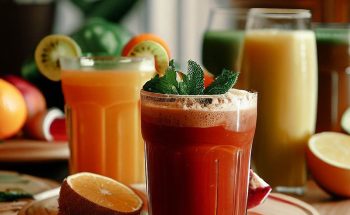
For mild, uncomplicated diverticulitis managed at home, a short burst of liquids provides hydration and minimal energy without stimulating bowel work.
Appropriate options include:
- Water, still or sparkling
- Homemade light broths
- Pulp-free apple or white grape juice
- Plain black tea or coffee
- Jelly prepared without fruit chunks
- Fruit-juice ice lollies
- Hard boiled sweets for a quick glucose lift
Because this menu lacks protein, fat, and many vitamins, it is a temporary therapy, never to be used for more than seventy-two hours without medical sign-off.


Transitioning to Soft Solids
As fever fades and pain retreats, food makes a cautious return.
Choose:
- White bread, white rice, plain pasta
- Well-cooked eggs and grilled fish or skinless poultry
- Low-fibre cereals like cornflakes
- Peeled boiled potatoes and smooth carrot mash
- Tinned peaches in juice or mashed ripe banana
- Milk and gentle cheeses such as mozzarella
This stage gently nourishes the body while tests confirm inflammation has settled. Patients usually remain here for under two weeks before beginning a slow fibre climb.
Phase Two Recovery Strategy
Once pain and fever have eased, food can do its best work again. The first target is to lift daily fibre by around five grams every few days until the thirty-gram benchmark feels natural. A small handful of oats at breakfast, an extra spoon of lentils at lunch, diced vegetables stirred into supper: each gentle step teaches the colon to accept bulk without protest. Plenty of water about two litres daily keeps that bulk soft and mobile. Patients often record progress in a notebook, marking which textures sit comfortably and which still cause wind. The pattern soon reveals that there is no single diverticulitis diet; rather, it is your diet, tailored by lived experience and professional advice.
Building a Sustainable High Fibre Diet
A thriving maintenance menu blends both soluble fibre and insoluble roughage. Soluble varieties from oats, beans, and ripe fruit soften stool and feed friendly bacteria. Insoluble strands from whole-wheat bread, potato skins, and nuts add shape and speed. Together they nurture balanced gut health. Evening plates rich in rainbow vegetables, oily fish, and extra-virgin olive oil add the anti-inflammatory punch familiar from Mediterranean kitchens. That pattern, rich in high fibre foods and plant diversity, consistently lowers flare-up risk in long-term studies.
Foods to Limit
Evidence linking red meat to recurrent trouble is strong. Swapping one daily serving of beef or lamb for salmon, chicken, or tofu trims the danger by roughly a fifth. Alcohol dehydrates and may irritate the bowel lining, so it is safest avoided during recovery and enjoyed sparingly thereafter. Fried takeaways and ultra-processed snacks also deserve a back-seat: they often combine refined fat with minimal fibre, a double hit on colon health.
Debunking the Nut and Seed Warning
Many patients still arrive at clinic clutching a decades-old leaflet that bans popcorn, strawberries, and almonds. Large cohort studies have overturned that rule. Regular nut and seed eaters actually report fewer flares. NHS guidelines and the British Dietetic Association both confirm there is “no need” to avoid these foods. For anyone anxious about rough textures, smooth peanut butter, ground flaxseed in porridge, or blitzed sunflower seeds in a smoothie deliver the same nutrients risk-free.
Hydration and Meal Timing
Fibre’s sponge-like behaviour only works when the sponge is wet. Eight to ten glasses of fluid daily ensure stools remain soft, preventing the pressure spikes that irritate pouches. Splitting intake across the day matters just as much. Pair that hydration with four to six modest meals rather than two heavyweight sittings and the colon faces a steady, manageable workload.
Lifestyle Pillars Beyond the Plate
Half an hour of brisk walking five days a week keeps bowel muscles moving and weight in check. Yoga, swimming, or cycling offer similar benefits. If diet alone cannot reach thirty grams of fibre, a GP may recommend ispaghula husk powder, but only alongside ample water and a phased introduction. When symptoms shift or confusion strikes, registered dietitians translate science into grocery lists, while gastroenterologists step in for colonoscopies, imaging, or surgery if complications loom.
Sample Three-Day UK Meal Plan
| Meal | Flare Recovery low fibre diet | Transition Day | Ongoing anti inflammatory diet |
| Breakfast | Scrambled eggs on white toast, tinned peaches | Small bowl porridge with honey | Porridge, mixed berries, ground flaxseed |
| Mid-morning | Glass of milk | Smooth yoghurt | Natural yoghurt with walnuts |
| Lunch | White rice with poached cod and peeled carrots | Omelette with soft courgette, white roll | Chickpea and vegetable soup, whole-grain roll |
| Afternoon | Applesauce | Banana | Apple and a few pumpkin seeds |
| Dinner | Baked chicken breast, mashed potatoes, peeled parsnip | Grilled salmon, white pasta, wilted spinach | Lentil shepherd’s pie, side salad |
| Evening | Chamomile tea | Kefir drink | Handful of almonds |
Each meal plan row edges fibre upward while keeping flavours familiar and household budgets realistic. Adapt portions to personal energy needs and chewing comfort.
Closing Thoughts and Next Steps
Managing diverticular disease is less about strict policing and more about steady stewardship. Picture the colon as a country lane. When traffic is light and surfaces are smooth, journeys run on time. Add potholes, heavy lorries, and erratic weather, and congestion soon follows. Fibre works like well-laid asphalt, water like fresh signage, and exercise like routine maintenance crews. Keep them all in play and you travel with ease. Slow and steady wins the race.