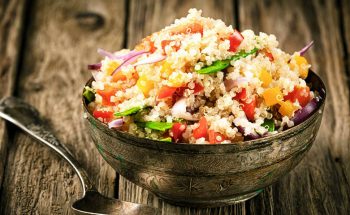
The outcome most people want from an anti-inflammatory dinner is straightforward. They want the aches in the shoulders after a long day at a desk to settle. They want fewer flares of gut discomfort after meals. They want their blood work, when it next gets taken, to show C-reactive protein trending down rather than up. And they want all of that in 30 minutes, because 30 minutes is the realistic window between arriving home and being too tired to cook properly. These anti-inflammatory dinner recipes are built around that 30-minute ceiling and around the nutrients with the strongest evidence base for reducing inflammatory markers.
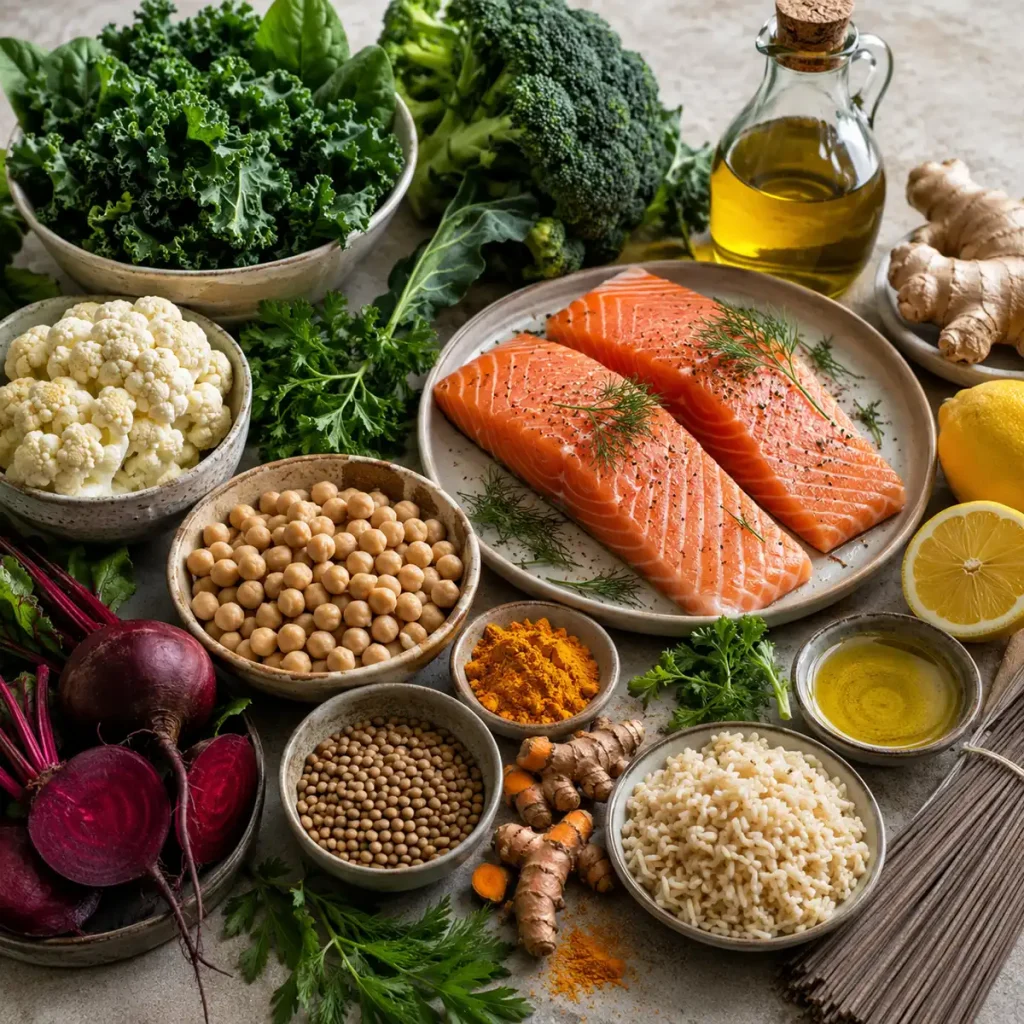
The mechanism is not mystical. Systemic low-grade inflammation responds to three categories of dietary input in well-designed trials: long-chain omega-3 fatty acids (EPA and DHA), polyphenols (particularly from berries, olive oil, and cruciferous vegetables), and adequate fibre to support gut-derived short-chain fatty acid production. A 2024 meta-analysis in the journal Clinical Nutrition confirmed that Mediterranean-pattern diets reduced C-reactive protein by a small but statistically significant margin across trials of 12 weeks or longer. These recipes borrow that pattern at weeknight speed.
Four full recipes below. Each lands on the plate within 30 minutes of walking into the kitchen, each names the anti-inflammatory mechanism it contributes, each uses British supermarket ingredients, and each carries a substitution for a common dietary requirement. Before you change your eating pattern around a health concern, speak to your GP or a registered dietitian, particularly if you take anticoagulants or manage an autoimmune condition where omega-3 and polyphenol intake may need calibrating.
What makes a dinner anti-inflammatory and why 30 minutes works?
An anti-inflammatory dinner is a meal built around ingredients shown in randomised controlled trials to lower inflammatory biomarkers such as C-reactive protein and IL-6. The core components are oily fish twice a week, a handful of leafy or cruciferous vegetables, extra virgin olive oil as the primary cooking fat, whole grains or pulses for fibre, and a colour-rich plant element for polyphenols. A 2023 RCT in the American Journal of Clinical Nutrition found that 12 weeks of this pattern reduced CRP by roughly 1.2 mg/L in adults with elevated baseline inflammation.
The 30-minute constraint matters because adherence is the real outcome. A dinner that takes 90 minutes on a Wednesday loses to a takeaway by minute 40. The recipes below use single-pan cooking, pre-prepped ingredients where it helps (tinned pulses, frozen fish fillets, bagged salad), and cooking methods that run in parallel rather than in sequence.
Turmeric salmon traybake with tenderstem and sweet potato
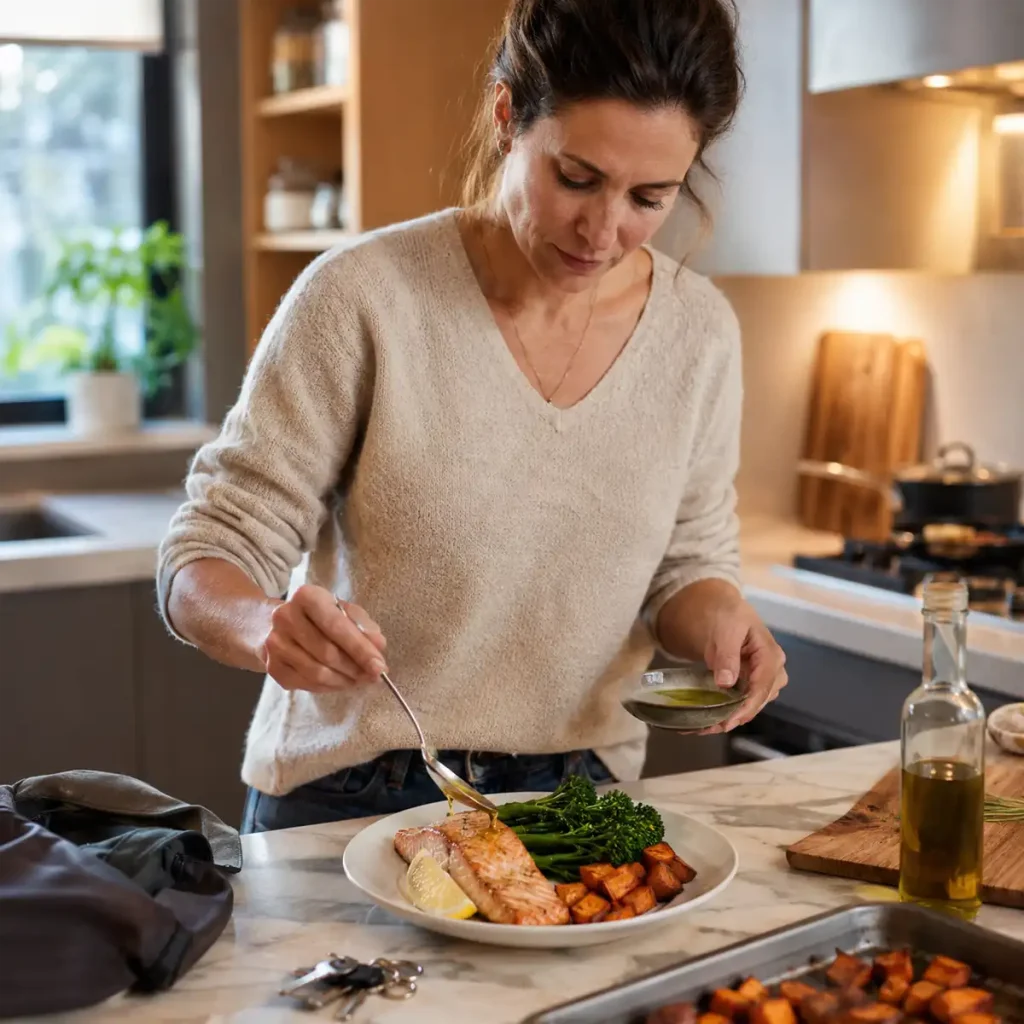
Turmeric salmon traybake is the dinner that earns its place as a weekly fixture. Preparation time is 8 minutes, cook time is 22 minutes, total time is 30 minutes, and it yields 2 portions. Heat the oven to 200°C. Toss 300g peeled sweet potato chunks and 200g tenderstem broccoli in 2 tablespoons of extra virgin olive oil, half a teaspoon of ground turmeric, a pinch of black pepper to activate curcumin absorption, salt, and the zest of half a lemon. Spread across a large tray and roast for 15 minutes. Add two 130g salmon fillets to the tray, drizzle with a little more olive oil, and roast for a further 12 minutes until the salmon flakes.
Anti-inflammatory mechanism per ingredient. Salmon provides roughly 2.5g of long-chain omega-3 fatty acids per portion, which a 2022 systematic review in Nutrients linked to reductions in serum inflammatory markers in adults with metabolic syndrome. Tenderstem broccoli delivers glucosinolates, precursors to sulforaphane, which has been studied for its effect on Nrf2 signalling and oxidative stress. Turmeric provides curcumin; piperine from the black pepper can increase curcumin bioavailability by a substantial margin. Extra virgin olive oil contributes oleocanthal, a polyphenol with COX inhibition activity comparable to ibuprofen at high intake in laboratory studies, though human RCT evidence is more modest. Naturally gluten-free and dairy-free. For a vegetarian substitution, swap the salmon for a 250g block of firm tofu, pre-pressed and coated in the same spice mix.
Chickpea and spinach dal with brown basmati
Chickpea and spinach dal is the plant-based entry in this set, and the quickest. Preparation time is 5 minutes, cook time is 20 minutes, total time is 25 minutes, and it yields 3 portions. In a deep pan, heat 2 tablespoons of olive oil over medium heat. Add 1 finely chopped onion and cook for 4 minutes. Stir in 3 crushed garlic cloves, 2 cm grated fresh ginger, 1 teaspoon ground cumin, 1 teaspoon ground coriander, half a teaspoon of ground turmeric, and a pinch of black pepper. Cook for 1 minute until fragrant. Add 1 tin (400g) of chickpeas (rinsed and drained), 1 tin (400g) of chopped tomatoes, and 300ml vegetable stock. Simmer for 12 minutes, stir in 200g of baby leaf spinach, and remove from the heat as the spinach wilts. Serve with 180g cooked brown basmati rice (30g per person uncooked, steamed for 22 minutes in parallel).
Anti-inflammatory mechanism per ingredient. Chickpeas deliver 7g of fibre per portion and meaningful amounts of magnesium and folate, both implicated in inflammation regulation. Spinach contributes vitamin K, folate, and lutein, with lutein specifically linked in cohort studies to lower CRP levels. Tomatoes provide lycopene, the carotenoid with the strongest evidence for vascular anti-inflammatory activity in observational data. The spice mix (turmeric, cumin, coriander, ginger) is the strongest anti-inflammatory profile any weeknight meal can deliver on a £3 ingredient cost. Naturally vegan and dairy-free. For a gluten-free check, confirm the vegetable stock is certified gluten-free.
Fun fact: A 2024 RCT published in the journal Gut found that adults consuming six servings of fermented foods and legumes per week across 10 weeks showed a measurable reduction in 19 serum inflammatory proteins compared with baseline.
Miso-glazed aubergine with soba noodles and wilted greens
Miso-glazed aubergine is the recipe for the evening when you want flavour without complication. Preparation time is 7 minutes, cook time is 20 minutes, total time is 27 minutes, and it yields 2 portions. Heat the oven to 220°C. Halve 2 medium aubergines lengthways and score the flesh in a diamond pattern. Whisk together 2 tablespoons white miso paste, 1 tablespoon rice vinegar, 1 teaspoon honey or maple syrup, 1 teaspoon grated ginger, and 1 tablespoon sesame oil. Brush generously over the aubergine flesh and roast cut-side up for 18 minutes. Meanwhile, cook 160g 100-per cent buckwheat soba noodles according to the pack (usually 4 to 5 minutes), drain, and toss with 1 teaspoon sesame oil. Wilt 150g pak choi in the residual noodle pan with a splash of tamari.
Anti-inflammatory mechanism per ingredient. Aubergine provides nasunin, an anthocyanin concentrated in the purple skin, which preliminary evidence suggests has free-radical scavenging activity. Miso contributes fermented soy isoflavones and live cultures in unpasteurised versions, linked in the 2024 Gut RCT noted above to reductions in inflammatory markers. Buckwheat (a pseudo-grain, not a true grain) provides rutin and quercetin, flavonoids studied for vascular anti-inflammatory effects. Pak choi adds glucosinolates in the same family as broccoli. Dairy-free and suitable for vegetarians. For a gluten-free substitution, use 100-per cent buckwheat soba noodles and replace the tamari with certified gluten-free tamari; some brands blend buckwheat with wheat flour, so check the ingredient list.
Smoked mackerel and puy lentil bowl with beetroot
Smoked mackerel and puy lentil bowl is the cold-assembly option for the week when you cannot face turning the oven on. Preparation time is 10 minutes, no cook time if you use pre-cooked lentils, total time is 12 minutes, and it yields 2 portions. Drain 1 pouch (250g) of pre-cooked puy lentils into a bowl. Add 150g cooked beetroot (vacuum-packed, not pickled in vinegar) cut into wedges, 2 handfuls of watercress, and 1 finely sliced spring onion. Whisk together 2 tablespoons extra virgin olive oil, 1 tablespoon lemon juice, 1 teaspoon wholegrain mustard, and a pinch of salt. Toss through the lentils. Flake 2 fillets (approximately 200g total) of smoked mackerel across the top and finish with a scatter of chopped dill.
Anti-inflammatory mechanism per ingredient. Smoked mackerel provides around 3g of long-chain omega-3 per portion, one of the highest doses any British supermarket product delivers at under £3. Puy lentils supply 8g of fibre and resistant starch per serving, both substrates for gut short-chain fatty acid production, which supports the gut barrier and modulates systemic inflammation. Beetroot contributes dietary nitrates and betalains, the latter with preliminary evidence for reducing oxidative stress. Watercress is particularly glucosinolate-rich for its weight. Dairy-free and naturally gluten-free. For a lower-sodium version, rinse the mackerel briefly under cold water and pat dry to remove surface salt.
How to rotate four dinners into a weekday pattern that works
Adherence beats perfection. A reasonable rotation for someone aiming to eat an anti-inflammatory pattern most weeknights: Monday for the salmon traybake, Tuesday for the dal (which yields 3 portions, so batch the third for Thursday lunch), Wednesday for the miso aubergine, and Friday for the mackerel bowl. That gives you oily fish twice in the week, pulses three times, counting the batched dal, cruciferous vegetables three times, and a Mediterranean olive oil base every evening.
The variables worth tracking if you want to measure rather than guess: how you feel 90 minutes after dinner (bloating, energy), how well you sleep on days you ate oily fish compared with days you did not, and any follow-up CRP or lipid panel your GP orders. Subjective signals matter. Trials use biomarkers because they are measurable, not because the felt experience of eating well is unimportant.
Who should approach this pattern first with a professional
People taking anticoagulant medication (warfarin, apixaban, rivaroxaban) should speak to a pharmacist or GP before substantially increasing oily fish intake, because omega-3 has mild platelet-inhibiting effects. People with autoimmune conditions managed by immunosuppressive medication should coordinate dietary polyphenol increases with their rheumatologist or consultant, because some polyphenols interact with drug metabolism. Pregnant and breastfeeding women should limit oily fish to 2 portions per week, per current Food Standards Agency guidance, and avoid high-mercury species. Anyone with a diagnosed eating disorder should work with a registered dietitian rather than adopt any structured dietary pattern without clinical support.
Four dinners, one pattern, and a measurable outcome
Pick the salmon traybake for tomorrow night. It is the lowest-effort entry point and demonstrates the full anti-inflammatory profile in a single tray. Tuesday, prep the dal while the rice steams in parallel. Keep a pouch of puy lentils and a fillet of smoked mackerel in the fridge for the Friday bowl, which takes 12 minutes. Across one week, these anti-inflammatory dinner recipes deliver twice-weekly oily fish, three daily servings of cruciferous or leafy vegetables, and a consistent olive oil base, which is the Mediterranean-pattern framework the strongest evidence points toward. Track how you feel at 90 minutes post-meal for the first fortnight. If a specific recipe sits poorly, swap it rather than abandoning the pattern. Consistency at the pattern level beats perfection at the meal level.