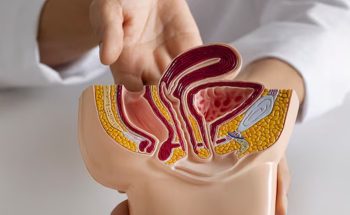
Irritable bowel syndrome affects approximately 13 million adults in the UK, making it one of the most prevalent gastrointestinal conditions managed in primary care. For the majority of those people, diet is the most effective tool for symptom management, and the low-FODMAP diet is currently the approach with the strongest clinical evidence base. Developed at Monash University in Melbourne and validated in UK clinical practice by the team at King’s College London, the low-FODMAP protocol has been adopted as a second-line dietary intervention in the NHS NICE guidelines for IBS management. This article explains what the approach involves, provides practical low-FODMAP meal ideas for UK adults using British supermarket ingredients, and is clear about the protocol’s limitations and the reasons why GP or registered dietitian involvement is essential before starting.
What FODMAP Means and Why It Matters for IBS
FODMAP stands for Fermentable Oligosaccharides, Disaccharides, Monosaccharides, and Polyols. These are short-chain carbohydrates that are poorly absorbed in the small intestine, pass to the large intestine where they are fermented by gut bacteria, and produce gas, water retention in the colon, and altered gut motility. In people with IBS, this process triggers pain, bloating, altered bowel habits, and urgency.
A 2022 systematic review in Gut, the British Society of Gastroenterology journal, analysed 12 RCTs on the low-FODMAP diet and found that 52 to 86% of patients with IBS reported significant symptom improvement during the restriction phase. This places the low-FODMAP diet among the best-evidenced dietary interventions in gastroenterology.
The protocol has 3 phases. Phase 1 is a 2 to 6-week restriction of high-FODMAP foods. Phase 2 is a structured reintroduction of individual FODMAP categories to identify specific triggers. Phase 3 is a personalised long-term eating pattern based on identified tolerances. The restriction phase is not intended as a permanent diet. A common and clinically significant error is to remain in phase 1 indefinitely, which can compromise fibre intake, gut microbiome diversity, and nutritional adequacy.
High-FODMAP Foods to Temporarily Avoid
The most common high-FODMAP foods in the UK diet are: wheat bread and pasta (fructans), onions and garlic (fructans), apples, pears, and mangoes (fructose and sorbitol), cow’s milk and most yoghurts (lactose), lentils and chickpeas (GOS and fructans), cauliflower and mushrooms (polyols), and most artificial sweeteners ending in -ol (polyols). This list is not exhaustive. The Monash University FODMAP App is the most accurate reference, is updated regularly, and costs approximately £8 on the App Store and Google Play.
Low-FODMAP Meal Ideas for UK Adults
Breakfast Options
Option 1: Oat porridge with blueberries and maple syrup. Rolled oats are low-FODMAP at a portion of 52g. Blueberries are low-FODMAP up to 20 berries. Maple syrup (1 tablespoon) is low-FODMAP. Preparation time: 8 minutes. Serves 1. Avoid honey (high fructose) and cow’s milk in sensitive individuals (use Lactofree or oat milk at 100ml).
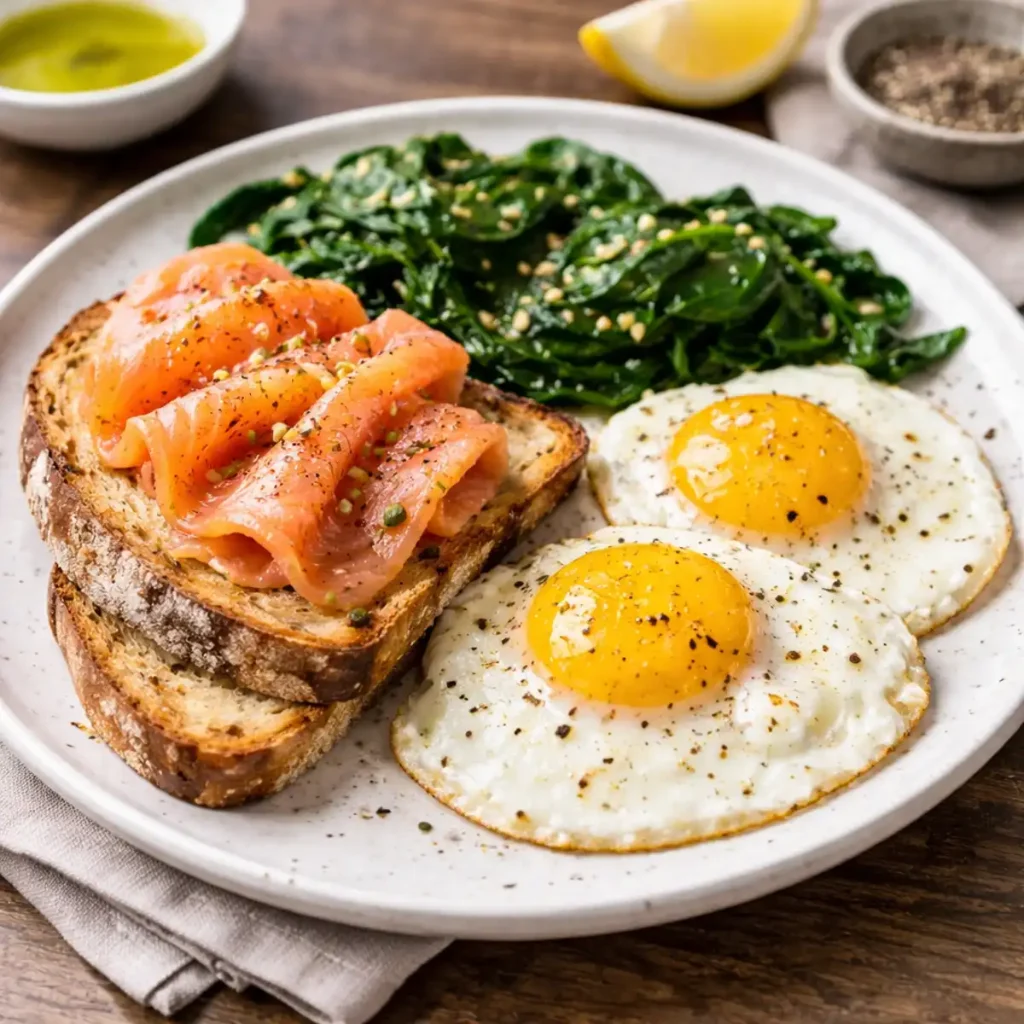
Option 2: Scrambled eggs with smoked salmon on sourdough spelt bread. 2 large eggs, 60g smoked salmon, 2 slices sourdough spelt bread (low-FODMAP at 2 slices due to fermentation reducing fructan content), handful of spinach, olive oil. Preparation time: 10 minutes. Gluten-free bread is an alternative if spelt is not tolerated.
Lunch Options
Option 3: Brown rice bowl with chicken, cucumber, carrot, spring onion greens and tamari. Portion: 150g cooked brown rice, 100g grilled chicken breast, half a cucumber, 1 grated carrot, green parts of spring onions only (the white bulb is high-FODMAP), 1 tablespoon tamari (gluten-free soy sauce). Preparation time: 15 minutes. Spring onion greens are low-FODMAP and replace onions effectively as a flavour element.
Option 4: Tinned tuna with rice cakes, cucumber, and homemade garlic-free herb mayonnaise. 1 can of tuna in water (drained), 4 rice cakes, half a cucumber, 1 tablespoon of mayonnaise mixed with dried chives and lemon. Commercial garlic-infused oils are low-FODMAP (fructans do not leach into oil); avoid solid garlic in all forms. Preparation time: 5 minutes.

Dinner Option
Option 5: Baked salmon with roasted courgette, green beans, and new potatoes. 150g salmon fillet, 1 medium courgette (low-FODMAP at 65g, so use half or a small one), 100g green beans, 200g new potatoes, olive oil, salt, lemon, dried herbs. Roast courgette and beans at 200 °C for 15 minutes. Bake salmon for 12 to 15 minutes. New potatoes are low-FODMAP at up to 300g per serving. Preparation time: 8 minutes. Cook time: 20 minutes. Serves 1.
Fun fact: The low-FODMAP diet was developed at Monash University, Melbourne, in the early 2000s by Professor Peter Gibson and Dr Susan Shepherd. The initial clinical trial, published in the Journal of Gastroenterology and Hepatology in 2006, showed symptom improvement in 74% of IBS participants, a result that has been consistently replicated in subsequent trials across multiple countries.
Important Limitations and Medical Advice
The low-FODMAP diet requires professional guidance for two reasons. First, phase 1 restricts several high-fibre foods (lentils, onions, cauliflower) that support gut microbiome diversity. Extended restriction without structured reintroduction is associated with reduced microbiome richness, which may worsen gut health over time. Second, IBS shares symptoms with several conditions that require distinct management, including coeliac disease, inflammatory bowel disease, and colorectal cancer. A GP consultation is essential before starting FODMAP restriction to rule out these conditions and obtain a formal IBS diagnosis.
A registered dietitian with IBS experience, ideally one affiliated with the King’s College London FODMAP programme, is the most appropriate professional to supervise the reintroduction phase. The NHS makes FODMAP dietitian referrals available through some GP practices; self-referral is also possible via the British Dietetic Association’s directory.
The low-FODMAP diet is one of the most evidence-supported dietary interventions in UK clinical practice. For the right reader with a confirmed IBS diagnosis, the **low FODMAP meal ideas** in this article provide a practical starting framework that uses British supermarket ingredients and fits a working week without requiring specialist cooking skills. The goal of the protocol is not permanent restriction. It is identifying your personal FODMAP triggers so that you can eat as broadly and nutritionally well as possible within those limits.
Conclusion: **Low-FODMAP meal ideas UK** are most useful when they are built into the context of the full 3-phase protocol rather than treated as a long-term elimination diet. The meals here, from oat porridge with blueberries to baked salmon with new potatoes, are practical, widely available, and consistent with the Monash University low-FODMAP certification criteria. Start with the breakfast options as the lowest-barrier entry point and work with a registered dietitian on the reintroduction phase. IBS management is highly individual. The evidence base is strong, but personalisation within that base is what produces the most consistent results.