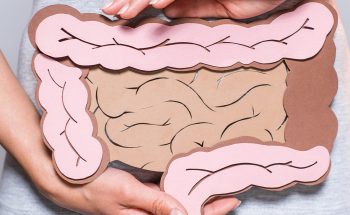
If you are searching for a detox reset, the most useful shift is not a stricter cleanse; it is a safer structure. For most healthy adults, “detox” works best as a short, food-first period that reduces ultra-processed foods, alcohol and excess added sugar while nudging your meals into daylight hours. That combination can improve energy, appetite control and digestion without the risks of juice-only plans.
Timing matters because your body runs on a 24-hour circadian system that influences hunger hormones, insulin sensitivity and sleep. Researchers who mapped key molecular mechanisms behind circadian rhythms were awarded the 2017 Nobel Prize in Physiology or Medicine. But the popular leap from “circadian” to “juice cleanse” is where the evidence thins. The British Dietetic Association is clear that detox diets are often unnecessary and can be restrictive, and reviews have found little good quality evidence that commercial detox plans remove “toxins” or deliver lasting weight loss.
A better question is how to use circadian science to make healthy eating reset goals practical. That means a modest eating window, whole foods you can stick with, and drinks that support hydration without replacing meals.
Are Juice Cleanses And Detox Diets Actually Needed
Your liver, kidneys, lungs and gut already process and remove waste products every day. The marketing promise that a cleanse “flushes toxins” is rarely defined in a measurable way, and strong clinical proof is lacking. A widely cited review on detox diets concluded there is very little clinical evidence to support commercial detox diets for toxin elimination or weight management. The British Dietetic Association also outlines how detox plans often rely on tight restrictions and big claims.
Juice cleanses can also introduce predictable problems. Because juicing strips out much of the fibre, it is easier to drink a large dose of sugar quickly, which can trigger hunger, shakiness, headaches or a mid-afternoon crash. UK health writing for the public tends to land in the same place: short-term weight loss is usually water and glycogen, and the pattern is hard to sustain.
If you still want a “cleaner” week, treat it as a reset in food quality and routine, not a punishment. Keep protein, keep fibre, and keep meals earlier.
What Chrononutrition Gets Right About Timing
Chrononutrition is the study of how meal timing interacts with circadian biology. The core idea is simple: your internal clock does not just govern sleep. It also helps coordinate digestion, glucose handling and daily rhythms in hormones such as cortisol and melatonin. The science of circadian rhythms is well established, and the Nobel Prize award in 2017 reflects how foundational these mechanisms are.
Where this becomes useful for everyday eating is the practical pattern seen across many studies: earlier eating windows often look more favourable than late-night grazing. A 2026 systematic review and network meta-analysis of time-restricted eating reported improvements in weight and several metabolic outcomes versus usual diets, with earlier timing tending to show stronger effects than later timing. That does not mean everyone should skip breakfast or force a harsh fasting schedule. It does mean that, for many people, bringing the last meal forward and avoiding late sugary drinks is a sensible place to start.
Think of it as helping your body run to a timetable, rather than trying to “hack” it.
A Safer 10 Hour Eating Window For A Reset
If you like the structure of a protocol, keep it simple and food-based. For a 7-day reset, aim for a 10-hour active eating window that fits your routine, such as 08:00 to 18:00, or 09:00 to 19:00. The point is consistency, not perfection.
This approach borrows the most plausible benefit people seek from cleanses, which is a calmer rhythm, fewer impulsive snacks, and a clear end to eating that supports sleep. It also avoids the most common pitfalls of juice-only plans, including very low energy intake and missing protein and fibre.
A practical rule set for the week looks like this.
- Eat 3 meals, with an optional planned snack if you need it.
- Build every meal around protein and fibre first.
- Drink water, tea and coffee as usual, but keep caffeine earlier in the day.
- If you want juice, treat it as an addition to breakfast or lunch, not a meal replacement.
- Keep the last substantial meal at least 2 to 3 hours before bed.
Fun fact: In a 2012 randomised study, tart cherry juice concentrate increased melatonin and was linked with improved sleep duration and quality, though doses and results vary across research.
What To Eat During A Whole Food Detox Style Week
A detox week that is worth doing is mostly a whole foods week. That means vegetables, fruit, pulses, wholegrains, nuts, seeds, yoghurt or kefir if you tolerate dairy, and modest portions of fish, eggs or lean meat if you eat them. The UK government’s healthy eating advice and WHO evidence both support higher fruit and vegetable intake as part of long-term risk reduction for heart disease and related outcomes.
Instead of chasing “alkalising” claims, focus on what changes quickly in a week and what lasts beyond it.
Prioritise fibre you can chew
Fibre supports bowel regularity and helps keep appetite stable. Juices remove much of it. If you like the convenience of blended drinks, a smoothie with whole fruit, oats and yoghurt is usually a better bet than a fruit-heavy juice.
Keep protein steady to avoid cravings
Many people attempting a sugar detox struggle because they undereat earlier and then rebound at 21:00. Protein at breakfast and lunch helps. In UK terms, that might be eggs on wholegrain toast, Greek yoghurt with berries, lentil soup, or tinned sardines with a big salad.
Choose fats that satisfy
Olive oil, nuts, seeds and oily fish fit well with a Mediterranean diet pattern, which has a strong evidence base for cardiometabolic health. If your reset is partly about weight loss, satisfaction matters as much as calorie maths.
Be cautious with “detox” claims on labels
In Great Britain, nutrition and health claims are regulated. If a product suggests it “detoxes” your liver or guarantees a physiological outcome, look for whether it is relying on vague wellness language rather than authorised claims. The Great Britain Nutrition and Health Claims register sets out what is authorised and what is rejected.

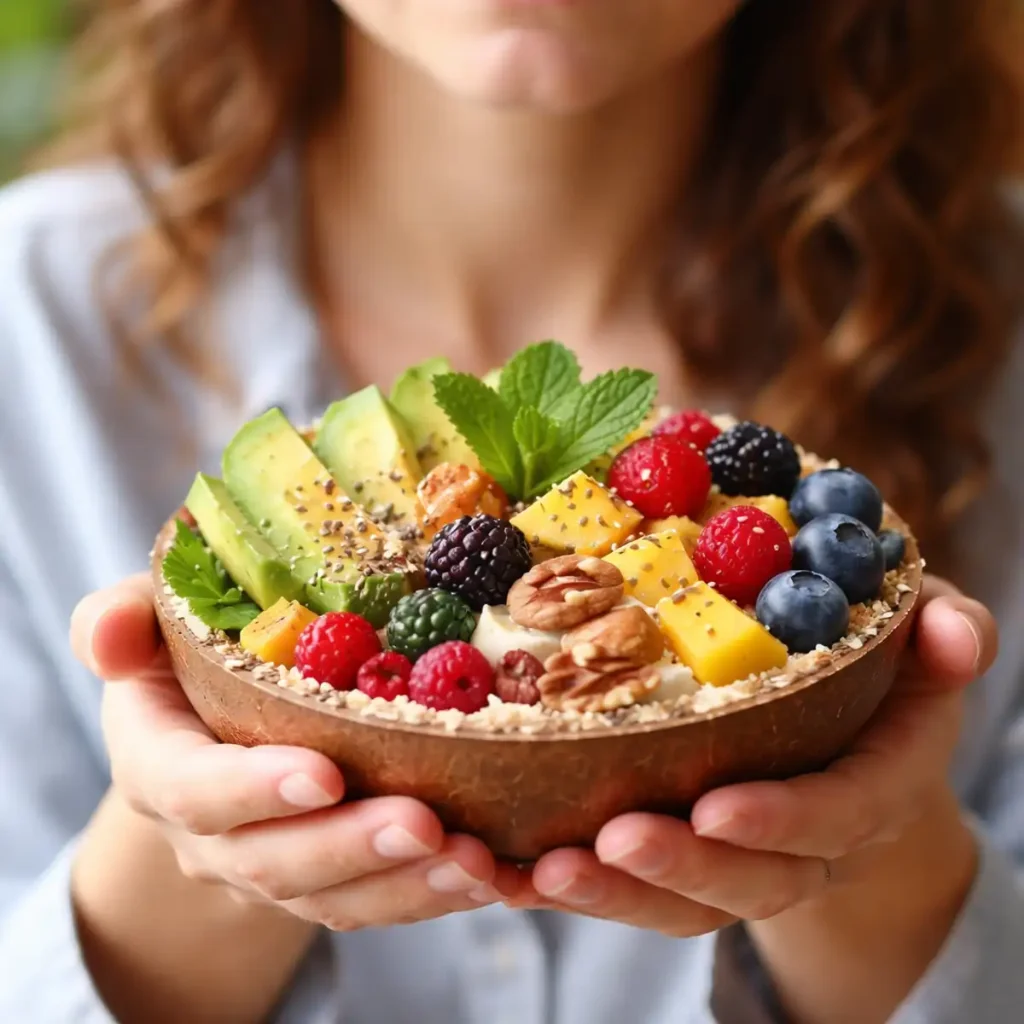
3 Detox Recipes That Fit Real UK Schedules
These are not “cleanse” recipes. They are detox recipes in the only sense that stands up: they support a week of better eating, stable energy and decent sleep.
Ginger Citrus Breakfast Smoothie
This is a breakfast that behaves like breakfast. It hydrates, adds fibre, and keeps the sugar dose sensible.
Ingredients
- 1 small orange, peeled.
- 1 small banana.
- 150 g plain Greek yoghurt or an unsweetened soy alternative.
- 1 tbsp oats.
- 1 tsp grated ginger.
- 1 tsp lemon juice.
- Water or milk to thin.
Method
Blend until smooth. Drink with or after a handful of nuts if you tend to get hungry mid-morning.
Why it works
You keep fibre and protein, and the ginger adds flavour without relying on “detox shots”. Claims that ginger “supports digestion” are more plausible than claims that it removes toxins, but it is not a magic switch.
Weeknight Green Bowl With Lentils And Herby Dressing
A plant-based dinner that is fast, filling and easy to repeat.
Ingredients
- 1 pouch cooked green lentils, or 240 g cooked lentils.
- 2 big handfuls of spinach or mixed leaves.
- 1 cucumber, chopped.
- 8 to 10 cherry tomatoes, halved.
- 1 tbsp pumpkin seeds.
- 2 tbsp olive oil.
- 1 tbsp lemon juice.
- 1 tsp Dijon mustard.
- Salt and black pepper.
Method
Whisk oil, lemon and mustard. Toss everything together. Add feta or tinned tuna if you want extra protein.
Why it works
You get fibre, protein and unsaturated fat in one bowl, which helps appetite regulation far more reliably than a liquid meal.
Tart Cherry Evening Spritz With Beet And Lime
This is for those who like the ritual of an evening drink without alcohol.
Ingredients
- 100 ml tart cherry juice.
- 50 ml beetroot juice, optional.
- Sparkling water.
- Lime wedge.
- Ice.
Method
Build in a glass and top with sparkling water. Keep it earlier in the evening, ideally before 20:00.
Why it works
Tart cherry has some evidence for sleep-related outcomes, but it is still a sugary drink. Keep the portion modest, especially if you are managing blood glucose.
How To Handle Coffee, Alcohol, and Sugar Cravings
A reset falls apart in the real world for predictable reasons: stress, fatigue and convenience.
Coffee
If you rely on coffee, do not rip it away overnight. Keep intake earlier, and avoid turning coffee into a dessert with syrups and whipped cream. If sleep is a goal, a sensible personal cut-off time is often mid-afternoon.
Alcohol
If you are doing a detox week, alcohol is the simplest lever to pull. It disrupts sleep quality and often triggers late-night snacking. Swap to sparkling water with citrus, or the cherry spritz above.
Cravings
Cravings usually mean one of 3 things: you are underfed at lunch, you are underslept, or you are stressed. The fix is dull but effective. Add a planned snack at 15:00, such as yoghurt and fruit, nuts, or hummus and veg. If you want something sweet, have it after a meal and keep the portion small.
Who Should Avoid Detox Diets And When To Seek Advice
Juice-based restriction is not appropriate for everyone. If you are pregnant or breastfeeding, living with type 1 diabetes, taking glucose-lowering medication, managing kidney disease, or have a history of disordered eating, seek medical advice before making major dietary changes. This is not box-ticking. Calorie restriction and big swings in carbohydrate intake can be risky in these groups. NHS patient facing guidance on fasting approaches also advises caution for people on diabetes medication and encourages professional input before changes.
Even if you are generally healthy, treat any plan that promises rapid detoxification with suspicion. The British Liver Trust has warned against “liver detox” diets and cleansing claims, noting that you cannot physically “detox” your liver in the way marketing often suggests.
If your symptoms are persistent, such as ongoing bloating, unexplained weight change, severe fatigue, or changes in bowel habit, a reset week is not the answer. Speak with your GP or a registered dietitian.
The Bottom Line And Your Next Step
The most credible version of a detox in 2026 is not a juice cleanse timed to a fashionable protocol. It is a week of earlier meals, fewer ultra-processed foods, more fibre and protein, and a steady routine that lets your body do what it already does well. Circadian science supports the idea that timing can matter, and evidence on time-restricted patterns suggests metabolic benefits are plausible, especially with earlier eating windows. What it does not support is the certainty that cold-pressed juice “removes toxins” or that you need restriction to be healthy.
For the next 7 days, pick a 10-hour eating window, cook 2 simple dinners, batch one lunch, and choose one alcohol free evening drink. If you want a proverb that fits the science, it is this: make hay while the sun shines. Eat earlier, sleep better, and let consistency do the heavy lifting.