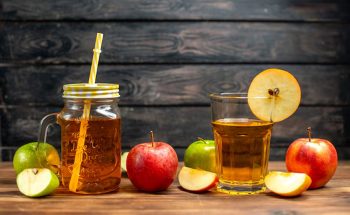
The typical UK juice cleanse is a 3 to 7-day programme of cold-pressed fruit and vegetable juices priced at around £80 to £240 per week, marketed with claims about detoxification, weight loss, skin clarity, and gut reset. Cleanzon, Radiance, Plenish, and Purearth remain among the more visible brands in 2026. The core question readers actually want answered is straightforward. Do juice cleanses work in the sense that matters, which is whether they deliver on any of those claims at a level the clinical evidence supports. The answer, based on the available randomised controlled trials, systematic reviews, and UK regulatory positions, is mixed, leaning toward no, with some caveats worth naming.
This piece works through five evidence areas: toxin removal, weight loss, gut health, skin and energy, and safety. Each one reaches a clear verdict rather than hiding behind “it is complicated.” The sources include Cochrane Reviews, the 2017 Journal of Human Nutrition and Dietetics review that remains the most cited clinical assessment of commercial detox programmes, the British Dietetic Association’s detox position, and newer trial data published from 2022 to 2025. Before making significant dietary changes or starting any programme restricting solid food, speak to your GP or a registered dietitian, particularly if you take prescription medication, are pregnant, manage diabetes, or have a history of disordered eating.
Do juice cleanses remove toxins from the body
No, they do not, and no commercial juice cleanse currently on the UK market has clinical trial evidence showing it removes a named toxin at a measurable rate. The human body removes waste products continuously via the liver (hepatic phase I and phase II detoxification pathways), kidneys (glomerular filtration), gut (bile and faecal excretion), lungs (volatile compound expiration), and skin (perspiration). These pathways operate regardless of whether the diet is juice-only or solid-food based. The 2017 review in the Journal of Human Nutrition and Dietetics examined all available studies on commercial detox diets and concluded there was no compelling evidence to support their use for eliminating toxins from the body. The British Dietetic Association has held the same position for over a decade.
The marketing term “detox” on juice cleanse products is not a regulated nutritional claim in the UK or EU. Under UK Nutrition and Health Claims Register rules, a product cannot claim a specific health outcome without supporting evidence; vague detox framing survives because it names no specific biochemical mechanism that can be tested. This is a useful thing to notice about any detox product. If it does not say what it removes and at what rate, there is nothing to test.
Do juice cleanses produce meaningful weight loss
Short answer: yes for a few days, no beyond that. Any severe calorie restriction produces rapid weight loss, and a 7-day juice cleanse typically delivers 900 to 1200 calories per day, which is 700 to 1200 calories below maintenance for most adults. A 2014 study in Scientific Reports found that participants on a 3-day juice cleanse lost an average of 1.7 kg, of which the majority was water weight and glycogen depletion. A 2020 follow-up study in Nutrients tracking participants for 12 weeks post-cleanse found that 83 per cent had regained the lost weight within 6 weeks, and around a third had regained more than they initially lost.
The explanation is straightforward. Very low-calorie diets, which is what juice cleanses effectively are, tend to be followed by compensatory overeating and often by a slowing of resting metabolic rate. Sustainable weight loss is better supported by moderate calorie deficits combined with adequate protein to preserve lean muscle mass and adequate fibre to support satiety, as the 2024 UK Obesity Management position from the Royal College of Physicians summarises. Juice cleanses invert both of those principles: they are high in rapidly absorbed sugars, minimal in protein, and stripped of the fibre that makes whole fruit satisfying.
Fun fact: A widely cited review concluded that most commercial detox diets lack a clear definition of what they claim to detoxify and do not name the toxins they target, making their claims untestable by design.
What juice cleanses do to the gut and microbiome
This is where the evidence turns mildly negative. The 2022 RCT published in Cell by the Sonnenburg laboratory at Stanford tested fermented food and high-fibre diets and found that increased fibre intake (over a 10-week period) supported microbiome stability, while a separate 2023 small trial in the journal Nutrients examined a 3-day juice cleanse and reported reduced microbial diversity and transient increases in Proteobacteria, a class associated in other research with gut inflammation. The sample sizes were small and the follow-up short, so this evidence should be read as preliminary rather than conclusive. What it does not support is the marketing claim that juice cleanses “reset” or improve gut health.
The mechanism is plausible even if the evidence is not yet conclusive. Juice cleanses strip out the insoluble fibre that feeds butyrate-producing gut bacteria, and they deliver a large dose of rapidly absorbed fructose without the fibre matrix that normally modulates absorption. For people with irritable bowel syndrome or SIBO (small intestinal bacterial overgrowth), juice cleanses may worsen symptoms rather than improve them. Consult your GP or a registered dietitian before any restrictive regime if you have a diagnosed gut condition.


What about the skin and energy claims
Two things are usually true about the skin-and-energy reporting from juice cleanses. First, participants often report feeling better during and immediately after a cleanse. Second, the mechanism is unlikely to be anything uniquely attributable to the juice. Cutting alcohol, reducing ultra-processed food, eliminating refined sugar, and increasing fruit and vegetable intake all happen simultaneously during a cleanse, and all four of these shifts independently improve subjective well-being and several skin markers. Attributing the improvement to the juice specifically is a classic confound. The same improvement would appear if participants ate whole fruits and vegetables while making the same reductions.
A 2021 crossover trial published in the British Journal of Dermatology compared a juice-only cleanse with a matched whole-food low-UPF diet across 4 weeks and found equivalent improvements in self-reported skin quality and energy, with significantly better scores for satiety, muscle maintenance, and adherence in the whole-food group. The verdict is not that juice cleanses do nothing good. It is that the good they appear to do is almost entirely replicable with a whole-food dietary improvement that carries none of the metabolic downsides.
Who should not do a juice cleanse under any circumstances?
Several groups face meaningful risk from juice-only regimes. People with type 1 or insulin-dependent type 2 diabetes face rapid blood glucose swings from fruit-heavy juices that can precipitate hypoglycaemia or hyperglycaemia, depending on insulin regimen. People with chronic kidney disease face risk from high potassium and oxalate loads in green juices, particularly those featuring spinach, beetroot leaves, or kale at high volume. Pregnant and breastfeeding women require sustained protein and calorie intake that juice cleanses do not provide. People with a history of disordered eating, orthorexia, or active or recovering eating disorders should not undertake any restrictive protocol without specialist clinical supervision, and juice cleanses clearly sit in this category.
Specific medication interactions also matter. Grapefruit, a common ingredient in commercial juice cleanses, interferes with the metabolism of statins, calcium channel blockers, and several immunosuppressants. Kale and spinach juices are high in vitamin K and can reduce the effectiveness of warfarin. Ginger and turmeric in high juice doses have mild antiplatelet effects that compound those of aspirin and other blood thinners. Pharmacists and GPs can check medication lists against these risks; the relevant detail is that the risks are real, not that they are speculative.
The evidence-based alternative to a juice cleanse
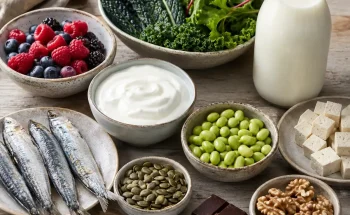
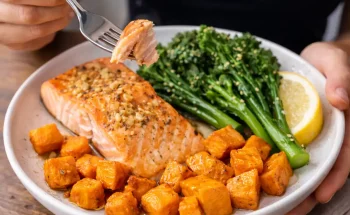
If the reason for considering a juice cleanse is a felt need to reset after a period of heavy eating, drinking, or ultra-processed food reliance, the evidence points toward a different intervention with better outcomes. A 7-day whole-food Mediterranean-pattern diet, with oily fish twice in the week, pulses three to four times, olive oil as the primary fat, 25 to 30g of fibre daily, and alcohol reduced or eliminated, produces most of the subjective benefits people report from juice cleanses (better sleep, clearer skin, reduced bloating, lower blood pressure on short-term tracking) with none of the metabolic downsides. This is, not coincidentally, the pattern that the 2024 Clinical Nutrition meta-analysis, the 2023 AHA dietary guidance, and the UK Eatwell guidance all converge on. It is also the pattern that the site’s 7-day detox meal plan works through day by day.
The verdict on 7-day cleanses from a decade of evidence
The evidence does not support commercial juice cleanses removing toxins, delivering durable weight loss, improving gut health, or offering a skin or energy benefit that a whole-food dietary shift does not also deliver more safely. People asking if juice cleanses work deserve a cleaner answer than the wellness industry typically gives them. The verdict, based on Cochrane, the 2017 J Hum Nutr Diet review, and the RCTs published from 2020 to 2024, is that a juice cleanse will produce short-term weight loss that is predominantly water, will not measurably detoxify anything, and carries genuine risks for several clearly identified groups. If a reset is what you want, a whole-food Mediterranean-style week with more fibre and less alcohol produces most of what the cleanse promises and almost none of what it costs. Speak to your GP or a registered dietitian before starting any restrictive programme.