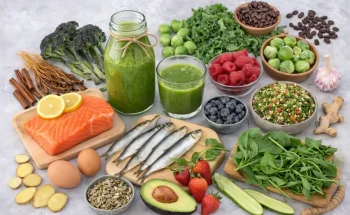
A detox meal plan works best when every item on it is something you can actually find on a Tuesday evening in a tired Sainsbury’s, not a specialist health food shop that requires a forty-minute journey. This 7-day detox meal plan is built around widely available British ingredients, organised by day, and designed to support your liver, gut, and energy levels through food rather than restriction. Each day delivers adequate protein, at least 25g of fibre, and a spread of liver-supportive phytonutrients. No supplements. No juice-only days. No hunger. Updated NHS dietary guidelines from 2024 continue to support high-fibre, plant-forward eating patterns as the evidence-based foundation for any meaningful dietary reset. If you have any existing health conditions, speak with your GP or a registered dietitian before making significant dietary changes.
How This 7-Day Detox Meal Plan Works
A 7-day detox meal plan is most effective when it is built around adding liver-supportive and gut-friendly foods rather than eliminating entire food groups. The British Dietetic Association recommends a food-first approach: cruciferous vegetables, fibre-rich whole grains, fermented foods, and adequate hydration as the core of any healthy dietary reset.
Each day in this plan follows a simple principle: one liver-support food at breakfast, one gut-support element at lunch, and a dinner that contributes both protein and phytonutrients. The cost is designed to fall within a realistic weekly shop at Tesco, Sainsbury’s, or Aldi. Frozen vegetables, tinned pulses, and whole grain staples keep costs down without compromising nutritional quality. Daily water intake should reach at least 1.5 litres, as recommended by the NHS.
Day-by-Day Meal Plan
Day 1 — Liver Support Focus
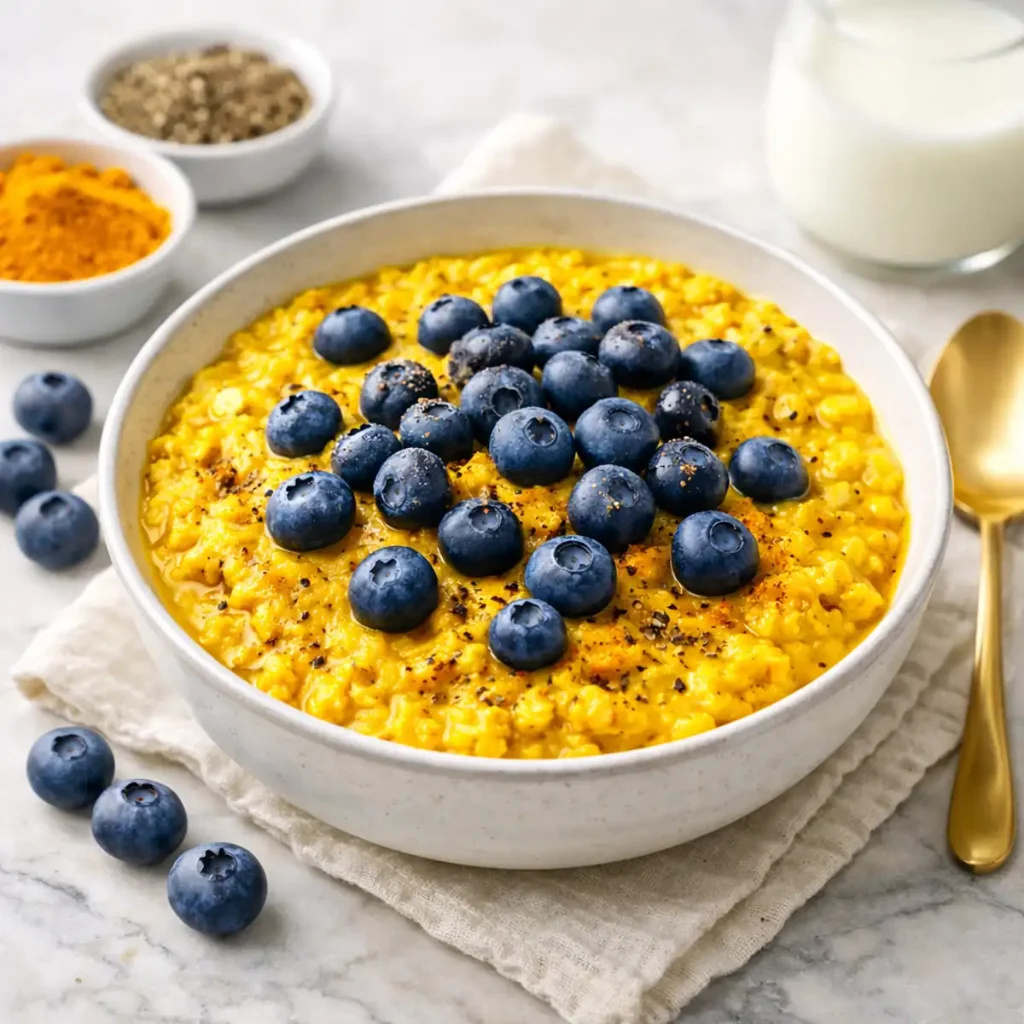
Breakfast: Turmeric porridge. 60g rolled oats (Quaker or own-brand), 300ml semi-skimmed or oat milk, half a teaspoon of ground turmeric, a pinch of black pepper (activates curcumin absorption), topped with a handful of blueberries. Preparation time: 8 minutes. Serves 1. Nutritional highlight: oats provide 4g beta-glucan fibre supporting gut motility; blueberries contribute 150mg anthocyanins.
Lunch: Broccoli and chickpea salad. 80g tenderstem broccoli (blanched), 200g tinned chickpeas, a handful of rockets, lemon juice, olive oil, and salt. Preparation time: 12 minutes. The glucosinolates in broccoli support hepatic phase II enzyme activity, as noted in a 2022 review in Nutrients.
Dinner: Baked salmon with roasted sweet potato and green beans. 150g salmon fillet, one medium sweet potato, 100g green beans, olive oil, garlic, and lemon. Cook time: 25 minutes. Salmon delivers 2.5g omega-3 fatty acids per portion. Gluten-free naturally. Dairy-free.
Day 2 — Gut Microbiome Focus
Breakfast: Natural yoghurt (Yeo Valley or Onken) with linseeds, raspberries, and a drizzle of honey. 150g yoghurt, 1 tablespoon ground linseeds, 80g raspberries. Preparation time: 5 minutes. Linseeds provide soluble fibre and lignans; live cultures in natural yoghurt support gut microbiome diversity.
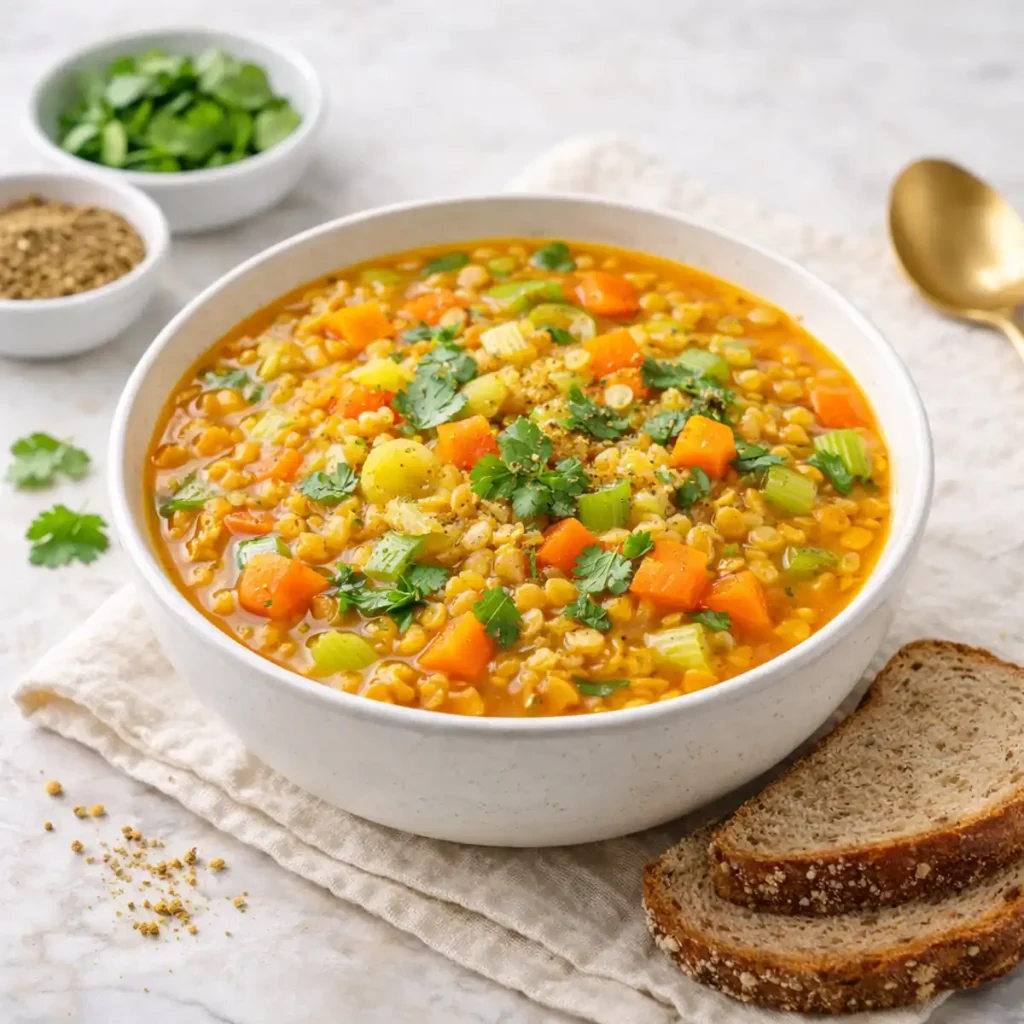
Lunch: Lentil and vegetable soup with rye bread. 200g red lentils, one carrot, one leek, one stick of celery, vegetable stock, cumin, and coriander. Preparation and cook time: 25 minutes. Serves 2. Red lentils deliver 8g protein and 8g fibre per serving.
Dinner: Chicken and vegetable traybake. One chicken breast, courgette, red pepper, cherry tomatoes, red onion, olive oil, and herbs. Cook time: 30 minutes. Naturally gluten-free. Substitute chicken for a block of halloumi for a vegetarian version.
Day 3 — Anti-Inflammatory Focus
Breakfast: Overnight oats with tart cherries. 60g oats, 200ml oat milk, 1 tablespoon chia seeds, 80g tart cherries (jarred, unsweetened). Preparation time: 5 minutes the night before. Tart cherries are one of the most polyphenol-dense UK-available fruits. A 2023 study in Nutrients found tart cherry consumption reduced inflammatory markers in active adults.
Lunch: Smoked mackerel with beetroot and watercress salad. 100g smoked mackerel, 80g cooked beetroot, a handful of watercress, half an orange, olive oil. Preparation time: 8 minutes. Mackerel provides 3g of omega-3s. Beetroot supplies betalains and dietary nitrates.
Dinner: Cauliflower and chickpea curry with brown rice. 300g cauliflower, 200g tinned chickpeas, chopped tomatoes, garam masala, turmeric, ginger, garlic, and brown rice. Cook time: 30 minutes. Serves 2. Vegan. Rich in glucosinolates and curcumin.
Days 4 Through 7 — Rotating the Pattern
Days 4 to 7 follow the same structure: a liver-support breakfast (smoothie, egg-based, or overnight oats), a gut-friendly lunch (bean soup, grain bowl, or fermented food element), and a dinner based on lean protein, a dark leafy green, and a complex carbohydrate. Rotating between the Day 1, 2, and 3 templates provides variety while maintaining the phytonutrient spread the plan is built around.
Day 4 dinner: grilled mackerel with mashed sweet potato and steamed kale. Day 5 dinner: beef and vegetable stew with pearl barley, using 200g lean stewing beef, parsnip, carrots, and swede. Day 6 lunch: homemade hummus wrap with rocket, cucumber, and grated carrot in a wholegrain tortilla. Day 7: a rest day where the priority is a simple, varied plate rather than strict following.
Batch Cooking and Shopping Strategy
The most practical approach to this plan is a single weekly shop and 90 minutes of Sunday batch cooking. Cook a large pot of lentil soup, roast a tray of mixed vegetables, and prepare overnight oats for Monday and Tuesday. This reduces weekday decision fatigue, which the NHS recognises as a key factor in dietary adherence.
Shopping list staples: rolled oats, red lentils, tinned chickpeas, tinned tomatoes, brown rice, rye bread, eggs, salmon fillets (fresh or frozen), chicken breasts, smoked mackerel, natural yoghurt, kefir (optional, available at most large Tesco stores), broccoli, kale, sweet potatoes, beetroot, blueberries, tart cherries, lemons, garlic, olive oil. Total estimated cost at Aldi or Tesco: £40 to £55 for two people over the week.
A Note on Sustainability and Medical Advice
This plan is designed for generally healthy UK adults. It is not appropriate for people with chronic kidney disease, those managing eating disorders, pregnant or breastfeeding women, or people taking medications that interact with high-fibre or phytonutrient-rich diets (including some anticoagulants and statins). If any of these apply to you, speak to your GP or a registered dietitian before following this or any structured dietary plan.
The goal of a detox meal plan is not a dramatic week-long intervention. It is a structured reset that makes whole-food eating feel manageable and repeatable. Most people find that by Day 4, the meals become habitual rather than effortful. That shift is the point. A **7-day detox meal plan UK** built around British supermarket staples is not about sacrifice. It is about discovering which ingredients you enjoy eating consistently enough to carry forward.
Conclusion: Seven days of structured, whole-food eating built around British supermarket staples costs less than most commercial cleanse programmes and delivers more sustained nutritional benefit. The key is batch cooking, a flexible approach to Day 7, and accepting that the odd swap or missed meal does not derail the purpose of the plan. Begin on a Sunday evening by preparing Monday’s overnight oats and Tuesday’s lentil soup in the same session. The **7-day detox meal plan** then takes care of most weekday decisions before you are tired enough to abandon them. Keep it in your regular rotation at least once per quarter, and speak to a registered dietitian if you want to adapt it to specific health conditions.