
For health-conscious adults in the UK searching for a detox diet that actually improves health rather than just shrinking the number on the scales, the evidence is remarkably consistent. Short juice cleanse programmes deliver rapid but mostly superficial weight loss, can unsettle the gut microbiome, and carry specific safety risks. In contrast, whole-food elimination-style protocols support the body’s existing detoxification systems by supplying fibre, protein, and key nutrients.
In practical terms, that means this: if your goal is to support long-term metabolic health, gut function and sustainable healthy eating, the weight of clinical evidence points clearly towards a structured whole food detox or “support plan”, not a liquid-only fast. This article explains how both approaches really work in the body, what the latest microbiome research shows, and how to translate that science into practical choices you can live with.
Start With The Science On Detox Diet Claims
Detox diets are marketed as ways to “flush out toxins” and reset health, yet major reviews find little robust evidence that commercial programmes remove specific toxins or support long-term weight management.
The core misunderstanding is language. In clinical practice, detoxification is a continuous process handled by the liver, kidneys, lungs, gut and skin. These organs chemically modify and excrete waste products around the clock using enzyme systems that depend on adequate energy, amino acids, vitamins and minerals. In marketing, a detox diet is framed as a short, dramatic intervention that somehow does this job instead of your organs.
A 2015 critical review of detox diets concluded there was “very little clinical evidence” to support commercial regimens, despite a booming industry built on bold promises. The British Dietetic Association has gone further, calling many detox diets a “marketing myth” and stressing that a varied, balanced diet does the real work.
For UK readers, the key message aligns neatly with NHS guidance: prioritise healthy eating built around fruit and vegetables, high-fibre starchy foods, lean protein and unsweetened drinks, and see restrictive short-term detoxes as unnecessary at best.
Define Juice Cleanses And Whole Food Detox Plans
Juice cleanses and whole-food protocols both appear under the detox label, yet physiologically, they are almost opposites. Understanding the distinction is essential before you commit to any programme.
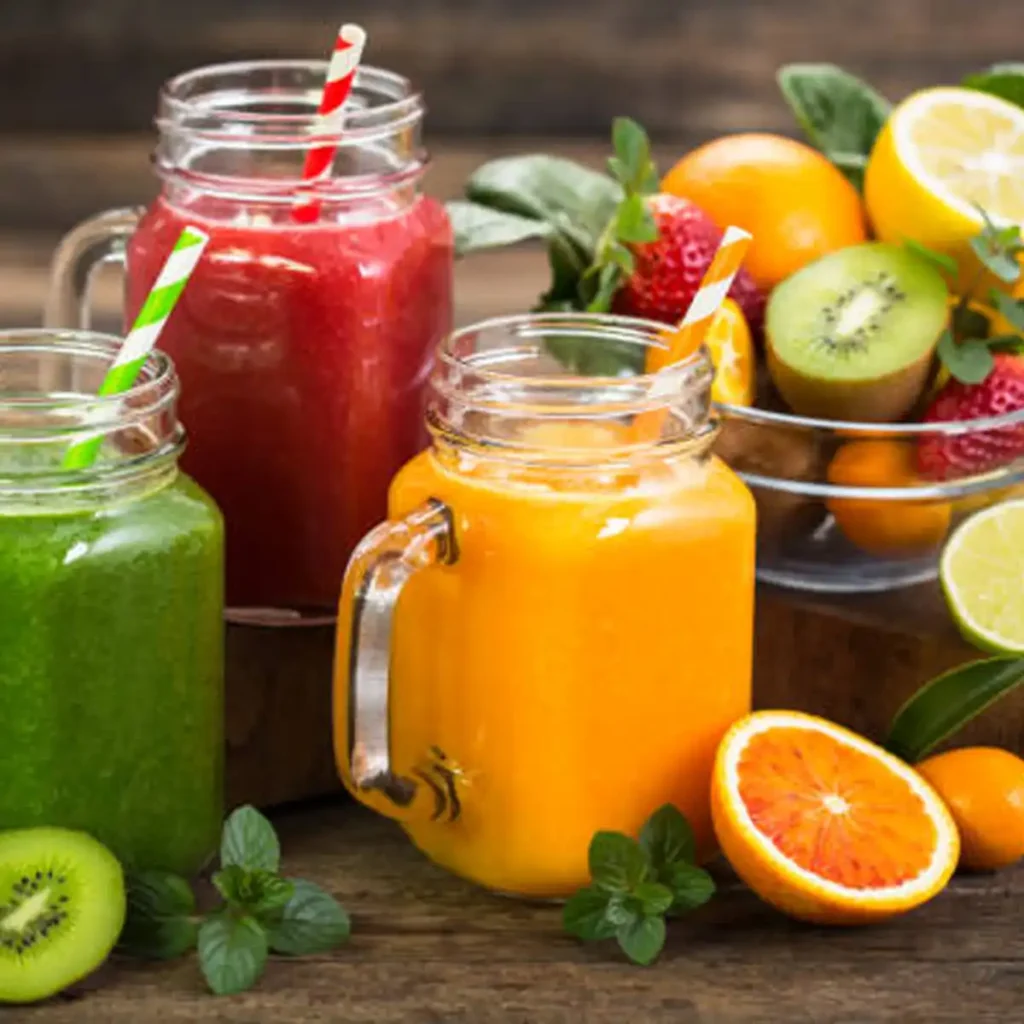
A juice cleanse is a liquid-only fast. For 1 to 7 days, all solid food is removed and replaced with bottles of fruit and vegetable juice, often in pre-packaged “day sets”. These plans are usually very low in calories, extremely low in protein and essential fats, and almost devoid of fibre because the pulp has been removed.
A whole food detox or elimination-style plan keeps food in solid form but restricts particular categories such as added sugar, alcohol, ultra-processed products and, in some protocols, grains, dairy or specific additives. The focus is on eating to satiety from meat or plant proteins, vegetables, some fruit and healthy fats. Total energy intake is not necessarily restricted, though many people naturally eat less when removing ultra-processed foods.
The first is a passive idea based on “flush and rest”. The second is an active strategy that aims to remove potentially inflammatory inputs while supplying the nutrients needed for the liver’s detoxification reactions and healthy bowel movements. For anyone seeking an evidence-based detox diet, this distinction matters more than the branding.
How Juice Cleanses Affect Metabolism And Microbiome
Short juice fasts reliably trigger fast weight loss. Still, most of that loss is water and stored carbohydrate rather than body fat, and there is growing concern about their impact on metabolism and the microbiome.
When you swap meals for juice, you dramatically cut calories and almost eliminate protein. The body responds by using up glycogen stores in muscle and liver, each gram of which carries several grams of water, so the scales drop quickly. As intake remains low, the body starts to conserve energy, which can reduce resting metabolic rate. Without enough protein, there is also a risk of losing lean muscle, which further lowers long-term energy expenditure.
The picture becomes more concerning when you look at gut microbiome data. A 2017 study of a 3-day juice-based diet in 20 adults reported changes in broad bacterial groups and increases in nitric oxide, which cleanse companies widely promoted as proof of benefit.However, newer research has used more detailed genetic sequencing and added crucial comparison groups.
A 2025 trial from Northwestern University followed people on a 3-day juice-only diet, juice plus whole foods, or plant-based whole foods only. The juice-only group developed higher levels of bacteria associated with inflammation, gut permeability and even cognitive decline, particularly in the mouth but also in the gut. The plant-based whole-food group showed beneficial bacterial changes, while the mixed group sat somewhere in the middle.
In other words, drinking the same plants in liquid form without fibre appears to push the microbiome in a less favourable direction, whereas eating them whole supports a healthier profile. That puts the standard “3-day juice cleanse” firmly at odds with modern microbiome science.
The Hidden Safety Risks Of Juice Cleanses
For many people, the main side effects of a juice cleanse are intense hunger, headaches, dizziness and fatigue as blood sugar swings and energy intake plummets. For some, the dangers are more serious.
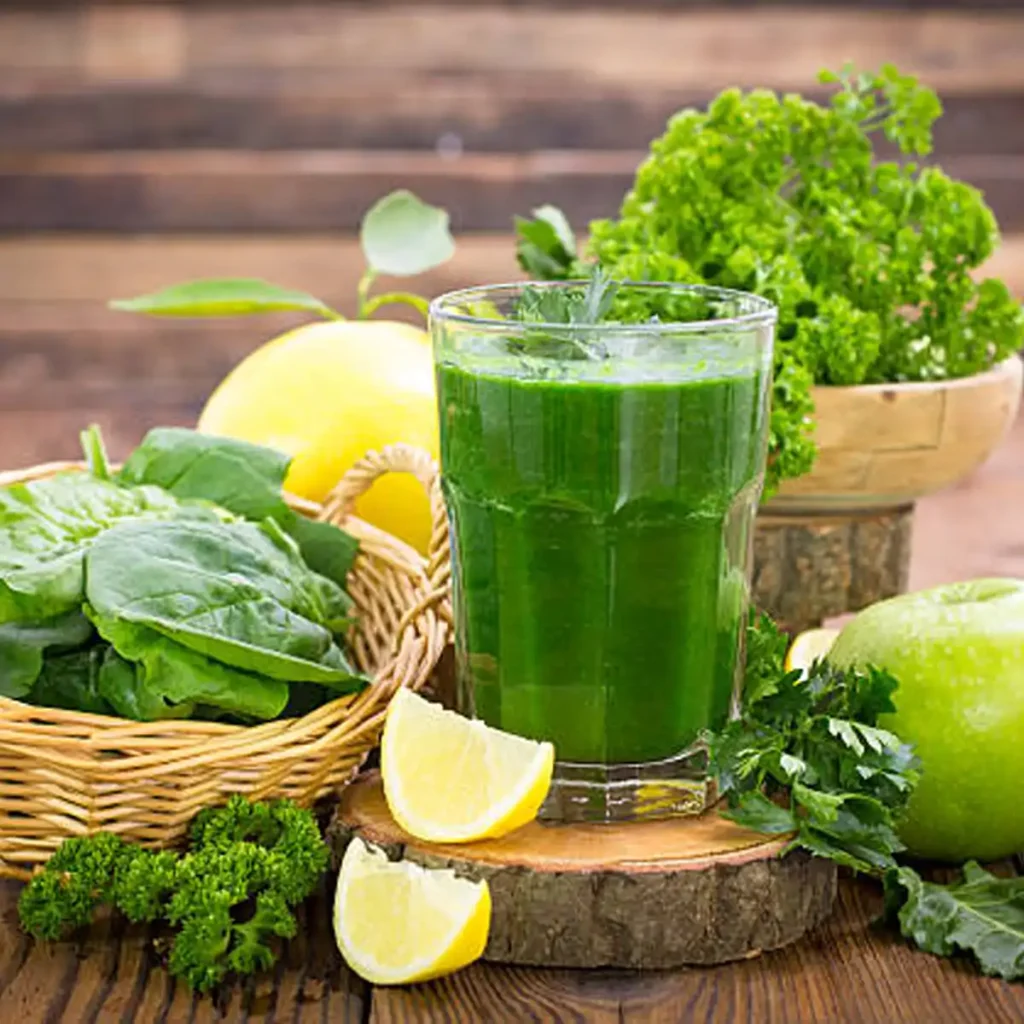
One under-recognised risk is acute oxalate nephropathy, a form of kidney injury. Many fashionable green juices rely heavily on spinach, beetroot, Swiss chard and similar vegetables that are naturally very high in oxalates. When these are juiced and consumed in large quantities over a few days, the body absorbs a concentrated oxalate load. In susceptible people, this can form crystals in the kidney tubules, leading to acute kidney injury.
Case reports in the medical literature describe individuals who began an intensive green smoothie or juice “cleanse” with previously normal kidney function, only to present with serious kidney injury and, in some cases, progress to long-term dialysis.Those at highest risk include people with existing chronic kidney disease, diabetes or a history of kidney stones, yet many commercial plans do not screen for these conditions.
There are also psychological considerations. Research and clinical experience suggest that rigid, highly restrictive detox diet patterns can fuel or mask disordered eating, particularly in people with a history of bingeing, purging or obsessive “clean eating”. Health services and charities in the UK now routinely flag extreme cleanses as potentially risky for those with current or past eating disorders.
Against that backdrop, it is not surprising that bodies such as the BDA, the Academy of Nutrition and Dietetics, and the US National Center for Complementary and Integrative Health all warn that detox and cleanse programmes may do more harm than good, particularly when used repeatedly.
How Whole Food Detox Protocols Support Natural Detox
Whole-food protocols start from a different premise. Instead of claiming to “cleanse” the body, they implicitly accept that the liver, kidneys, gut and skin already detoxify continuously, and they aim to support those systems with the right raw materials.
The liver’s detoxification work can be described in 2 broad phases. Phase I uses enzymes from the cytochrome P450 family to convert substances into more reactive forms that are often water soluble. Phase II then joins those intermediates to molecules such as glutathione, sulphate or glycine, making them easier to excrete in bile or urine. These pathways require constant supplies of amino acids, B vitamins and minerals, along with antioxidants to buffer reactive by-products.
A well-designed whole food detox plan emphasises:
- High-quality protein from fish, poultry, eggs, beans or tofu to supply amino acids for Phase II conjugation.
- Cruciferous vegetables such as broccoli, kale and Brussels sprouts that contain glucosinolates. These are converted into compounds like sulforaphane, which activate Nrf2, a transcription factor that promotes detoxification and antioxidant genes.
- Foods rich in sulphur, including onions and garlic, which help maintain glutathione status.
- Plenty of fibre from vegetables, fruit, pulses, nuts and seeds. Fibre helps bind bile acids in the gut, so that substances excreted into bile are carried out of the body rather than reabsorbed.
The result is not a dramatic “flush”, but a quieter improvement in the body’s own capacity to process what it encounters every day, from alcohol and medicines to internal waste products.
Fun fact: NHS guidance limits fruit juice and smoothies to 150 ml per day, even within an overall healthy diet, because whole fruit and vegetables provide far more fibre and a gentler effect on blood sugar than juice alone.
What Clinical Evidence Shows For Whole Food Diets
Unlike the sparse and patchy data on commercial detoxes, whole-food dietary patterns have been widely studied in randomised trials and meta-analyses. They are not usually described as “detox”, yet they directly address the same concerns about inflammation, metabolic risk and exposure to environmental chemicals.
Several randomised trials show that diets rich in whole grains reduce markers of low-grade inflammation, such as C-reactive protein and interleukin-6, compared with refined grain diets. These are key drivers of cardiometabolic disease, which many people hope to improve when they search for a detox diet.
A 4-week single-blind trial of an organic, plant-based whole-food programme known as the Wellnessup diet compared it with a conventional calorie-restricted plan. Both groups lost weight, but only the whole-food group showed meaningful reductions in several toxic trace elements in hair samples, including nickel and tin. That suggests that improving food quality and fibre intake may support the elimination of certain environmental contaminants more effectively than cutting calories alone.
Observational data and shorter interventions on whole-food, plant-based diets also show improvements in blood lipids, blood pressure and markers of liver stress, especially in people with metabolic syndrome. Taken together, these findings indicate that a whole food detox approach can deliver exactly the kind of systemic benefits many consumers hope to gain from a 3-day cleanse, without the same nutritional or renal risks.
Why Experts Back Whole Foods Over Juice Cleanses
Ask frontline clinicians rather than marketers, and you will hear a consistent message. Dietitians, GPs and specialist physicians generally discourage juice cleanse programmes and instead recommend sustained healthy eating based on minimally processed foods.
The BDA has publicly described detox diets as a “marketing myth” and encourages people to focus on balanced meals, regular activity and limiting alcohol and high-sugar foods. The NCCIH notes that detox products have not been proven to deliver health benefits and highlights reports of harm.
Recent media coverage featuring UK dietitians has echoed the same stance: juice-based detoxes may leave you tired, hungry and short of protein and fibre, precisely the opposite of what your detox organs require.
By contrast, the principles behind a whole food detox are very similar to the NHS Eatwell Guide and heart-health recommendations: more plants and whole grains, enough protein, plenty of fibre, modest alcohol intake and less ultra-processed food. Whether or not you use the detox label, this is the pattern clinicians trust.
Who Should Avoid Strict Detox Diet Protocols
Given the evidence, most experts argue that juice cleanses offer little benefit to any group. For some, they are clearly unsafe. People with diabetes, chronic kidney disease, eating disorders, pregnant or breastfeeding women, and children or teenagers should avoid liquid-only detoxes entirely.
Even whole-food elimination plans warrant caution in certain situations. Anyone with a history of restrictive or obsessive eating may find that strict rules around food groups trigger unhelpful patterns. Children, teenagers and adults who are underweight or frail often need tailored medical and dietetic input rather than broad exclusion diets.
For the majority of adults in good general health, the safest and most effective “detox” strategy is not a short, extreme protocol but a shift towards balanced healthy eating that you can maintain for months and years. That is especially important in the UK, where many people still fall short of recommended fibre and fruit and vegetable intakes, despite growing interest in gut-friendly trends.
Practical Next Steps For A Safer Detox Diet
For readers of a wellness-focused platform such as Detox-Diet London, the practical question is simple: what should you actually do if you want to support detoxification and feel better in the coming weeks?
A realistic, evidence-aligned plan could include:
- Replacing sugary drinks and juices with water, unsweetened tea or coffee and keeping fruit juice to a small glass once a day at most.
- Building meals around vegetables, whole grains or other high-fibre carbohydrates, plus a source of lean protein to support liver enzymes and preserve muscle.
- Cutting back on alcohol, processed meats, deep-fried foods and ultra-processed snacks that add to metabolic burden without supplying useful nutrients.
- Including cruciferous vegetables, herbs, spices, nuts and seeds regularly to provide phytochemicals and antioxidants associated with better metabolic and inflammatory profiles.
- Paying attention to digestion and bowel regularity, since healthy elimination is a core part of any credible detox diet.
If you still feel drawn to structured change, a time-limited whole food detox that removes alcohol, added sugar and ultra-processed products while preserving calories, fibre and protein is far closer to what clinicians would recognise as supportive. Pairing that with sleep, movement and stress management will do more for your body’s detox systems than any row of brightly coloured bottles.
In the end, the comparison is not close. The juice cleanse is a visually appealing product built on a weak idea. The whole-food approach is a quieter, evidence-based pattern built around how human physiology already works. When your goal is sustainable healthy eating and genuine wellness rather than a fleeting change on the scales.