Feeling flat, bloated, or stuck in a cycle of quick fixes is a common experience for health-conscious adults in the UK. The core answer is simple and evidence-led. The safest and most effective form of detox today is not about extreme restriction or liquid cleanses. It is about supporting the body’s own detox systems through balanced diet choices, regular eating patterns, and practical recipes that nourish cells over time. When done well, this approach can steady energy, support digestion, and make healthy eating feel realistic rather than punishing.
This article explains what a modern detox diet really means in 2026, how it fits into everyday life in the UK, and how to build it around food rather than fear. You will learn which detox ideas are supported by evidence, which claims to treat cautiously, and how to use healthy recipes to create a gentle reset that works with your body. The focus is on food first, flexible, and designed for long-term well-being rather than a short-lived result.
What A Detox Diet Really Means In 2026
A modern detox diet is about helping the liver, gut, and kidneys do the work they already perform every day. The body does not need flushing or purging. It needs consistent nutrition, fibre, hydration, and enough energy to carry out normal metabolic processes.
According to the British Dietetic Association and NHS guidance, the liver converts toxins into forms that can be safely excreted, while the gut removes waste through regular bowel movements. Diet patterns that support this include eating a wide range of plant foods, adequate protein, and limiting ultra-processed products high in sugar and salt.
Where earlier detox trends relied on restriction, current thinking emphasises healthy eating patterns that reduce strain on the body. This includes stable meals, sufficient calories, and foods that support gut health. A detox diet should leave you feeling more capable in daily life, not lightheaded or depleted.
Are Detoxes and Cleanses Safe and Effective
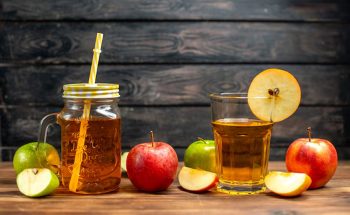
Most commercial cleanses and juice fasts are not supported by strong evidence. Reviews published in the British Medical Journal and Cochrane databases have found no reliable proof that juice cleanses improve toxin removal or long-term weight outcomes.
Short-term weight loss during cleanses usually reflects water loss and reduced food volume rather than fat loss. For some people, especially those with a history of restrictive eating, these approaches can worsen their relationship with food.
That does not mean all detox-focused eating is useless. It means the benefits come from removing excess ultra-processed foods and increasing whole foods, not from the cleanse itself. A safer alternative is a food-based reset that prioritises vegetables, fruit, whole grains, and regular meals.
Fun fact: A 2017 review in the Journal of Human Nutrition and Dietetics found no evidence that commercial detox products remove toxins beyond what the liver and kidneys already manage.
How Diet Supports Natural Detox Systems
Diet supports detox by providing the nutrients the body needs to run its own systems efficiently. Fibre helps the gut move waste through the body. Protein supports liver enzymes involved in detox pathways. Antioxidants help limit oxidative stress caused by pollution, smoking, and everyday metabolism.
Key dietary elements include:
• Fibre from vegetables, fruit, beans, and whole grains to support gut transit.
• Protein from fish, eggs, dairy, tofu, and legumes to support liver function.
• Micronutrients such as selenium, zinc, and B vitamins, which act as enzyme cofactors.
This approach aligns with Mediterranean diet patterns, which are associated with lower cardiovascular risk and better metabolic health in large observational studies across Europe.
Best Detox Foods to Eat Today
The most effective detox foods are not exotic powders or shots. They are accessible, affordable ingredients found in UK shops.
Cruciferous vegetables such as broccoli, cabbage, cauliflower, and kale provide compounds that support liver enzyme activity. Onions, garlic, and leeks contain sulphur compounds involved in detox pathways. Berries offer polyphenols that support gut and vascular health.
Oats, barley, and brown rice provide soluble fibre that feeds beneficial gut bacteria. These bacteria help maintain the gut barrier, reducing the passage of unwanted substances into the bloodstream.
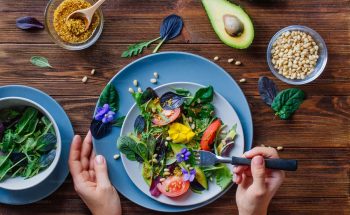
Including a range of colours on the plate is a practical way to increase nutrient diversity without tracking every detail.


Gut Health And Detox Diets
Gut health plays a central role in how the body handles waste and inflammation. A disrupted gut barrier can allow unwanted compounds to circulate, increasing strain on the liver.
Evidence from human trials suggests that diets rich in fibre and fermented foods can improve gut microbiota diversity. This includes yoghurt with live cultures, kefir, sauerkraut, and kimchi when tolerated.
Rather than removing entire food groups, a detox-style diet should focus on adding supportive foods. For most adults, this means aiming for 30g of fibre per day, as recommended by Public Health England, while increasing fluids gradually.
How Fasting Fits into A Detox Approach
Time-restricted eating has gained attention, but it is not required for a detox diet to work. Studies published between 2020 and 2024 suggest that consistent meal timing may improve insulin sensitivity and sleep in some adults, but benefits vary.
For people who choose to experiment, a gentle approach such as a 12-hour overnight eating window may be sufficient. This can be as simple as finishing dinner by 7 pm and eating breakfast at 7 am. More restrictive patterns are not suitable for everyone and should not be promoted as essential.
Importantly, fasting does not replace food quality. A shorter eating window filled with highly processed foods offers little benefit.
Easy Healthy Recipes For A Gentle Reset
Recipes are where theory becomes practical. A detox diet only works if meals are satisfying and repeatable.
Examples include:
• A warm lentil and vegetable soup with carrots, leeks, and herbs.
• Baked salmon with barley, greens, and a yoghurt dressing.
• A chickpea and roasted vegetable traybake with olive oil and spices.
These meals provide protein, fibre, and micronutrients without excessive restriction. They also suit batch cooking, supporting busy weekday routines.
Focusing on detox recipes that use whole ingredients helps reduce reliance on packaged products marketed as wellness shortcuts.
Sugar Reduction Without Extreme Rules
Reducing added sugar can improve energy levels and dental health, but strict sugar bans often backfire. NHS guidance encourages a gradual reduction rather than elimination.
Practical strategies include swapping sugary snacks for fruit with yoghurt, choosing unsweetened drinks, and reducing portion sizes of desserts rather than cutting them out entirely.
This approach supports weight management without triggering cycles of restriction and rebound eating.
Weight Loss And Detox Diets
Weight loss is often a secondary goal for readers exploring detox diets. Evidence shows that sustainable weight loss comes from consistent calorie balance and food quality, not short-term cleanses.
A whole food detox-style diet may support modest weight loss by reducing energy dense ultra processed foods. However, it should never be marketed as rapid or guaranteed. Individual results vary based on age, activity, sleep, and health status.
Clear communication matters here. Detox eating supports health habits first, with weight change as a possible outcome rather than a promise.
Who Should Take Extra Care
Certain groups should avoid restrictive detox approaches and seek professional advice. This includes people with eating disorders, those who are pregnant or breastfeeding, individuals with type 1 diabetes or advanced kidney disease, and anyone under 18.
The NHS and WHO both stress that nutrition advice should be personalised where medical conditions are present. A registered dietitian can help adapt detox principles into a safe, balanced plan.
A Practical 7 Day Food First Reset
A realistic reset focuses on routine rather than intensity.
Day 1 to 2: Emphasise hydration, regular meals, and added vegetables.
Day 3 to 5: Focus on fibre intake and reducing ultra-processed snacks.
Day 6 to 7: Reinforce habits with simple meal prep and planning.
This structure supports consistency without pressure. It also allows readers to continue beyond 7 days rather than stopping abruptly.
Conclusion
A detox diet in 2026 is best understood as a return to healthy eating supported by practical recipes and credible evidence. The body already knows how to detox. Our role is to give them the tools through food, rest, and realistic habits. For UK adults seeking clarity, the message is reassuring. You do not need extremes or expensive products. Start with balanced meals, fibre-rich plants, and routines you can sustain. When in doubt, discuss changes with a GP or registered dietitian. Health built steadily tends to last.